38
Person · 1870–1961
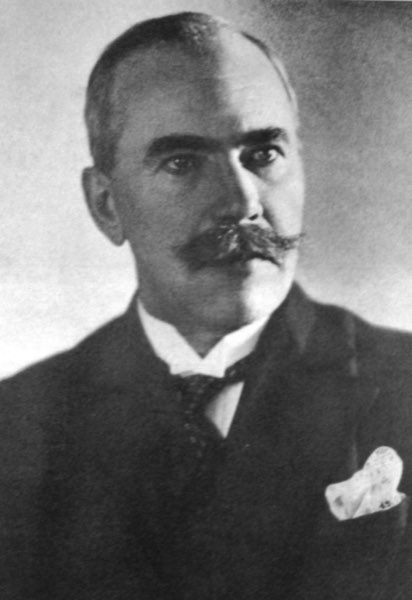
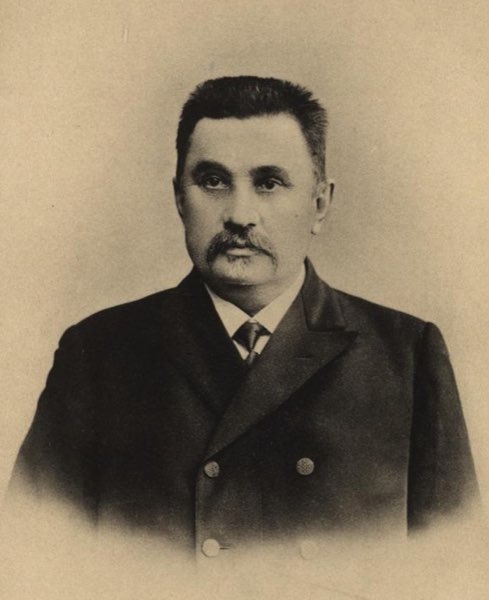
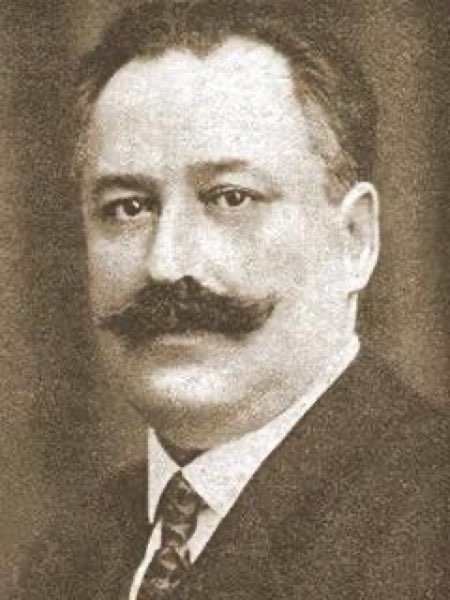
Tomáš Nejedlý (1870–1961) was a Czech businessman from Hořovice who moved to Kyiv in 1890 to work in the industrial enterprise of his uncle, Josef Křivánek. In 1898 he co-founded the Nejedlý & Ungermann foundry in the Shuliavka district.…
—
Person · 1912–1943
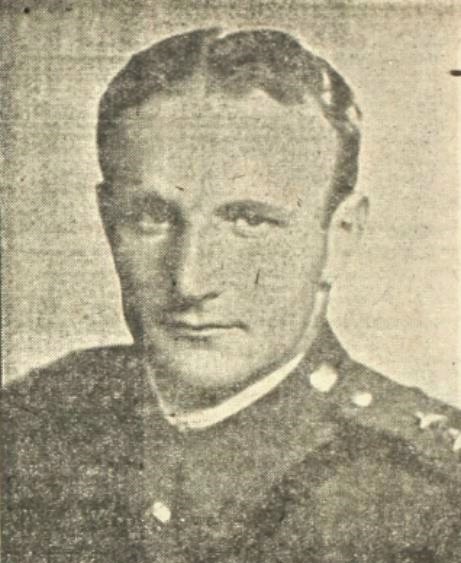
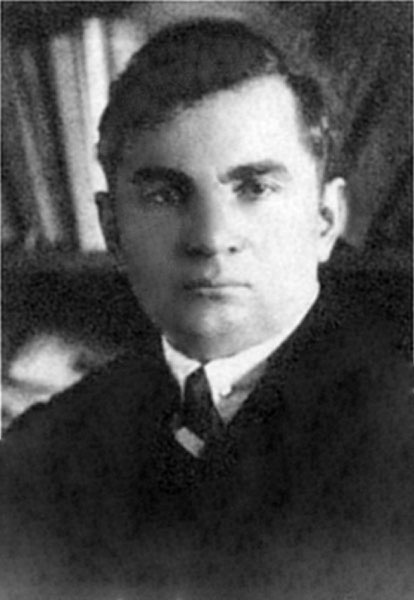
The Czechoslovak officer Otakar Jaroš commanded a company that defended the village of Sokolovo in March 1943 and fell there on 8 March 1943. He was posthumously made a Hero of the Soviet Union; his memory is kept in Sokolovo and Kharkiv.…
—
Person · 1895–1979
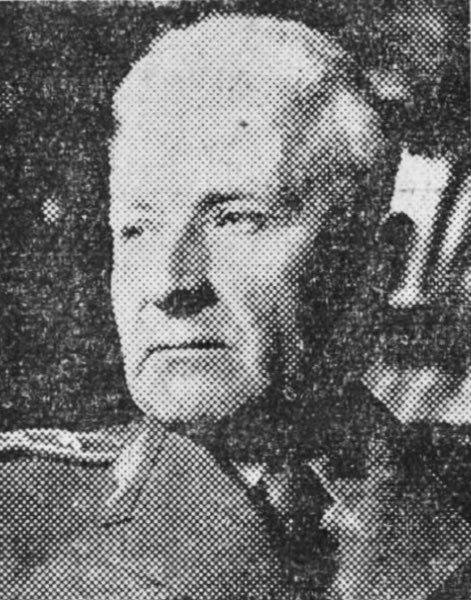
The Czechoslovak general and later president Ludvík Svoboda (1895–1979) commanded the first Czechoslovak battalion in the USSR, which fought at the village of Sokolovo in the Kharkiv region in March 1943. In autumn 1943 the 1st…
—
Person · 1854–1942
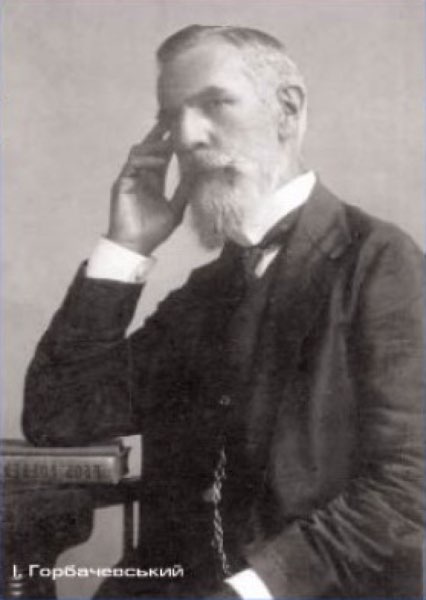
Ivan Horbaczewski (1854–1942) was a Ukrainian-born chemist and physician whose academic career shaped medical chemistry in Prague. He served as rector of the Czech university in 1902/03, conducted important research on uric acid and later…
66
Person · 1872–1955
Andrii Yakovliv (1872–1955) was a Ukrainian legal historian and diplomat who settled in Prague in 1923. He joined the Ukrainian Free University as a docent in 1923 and became a professor in 1928 or 1929 (sources differ); he served two…
—
Person · 1856–1940
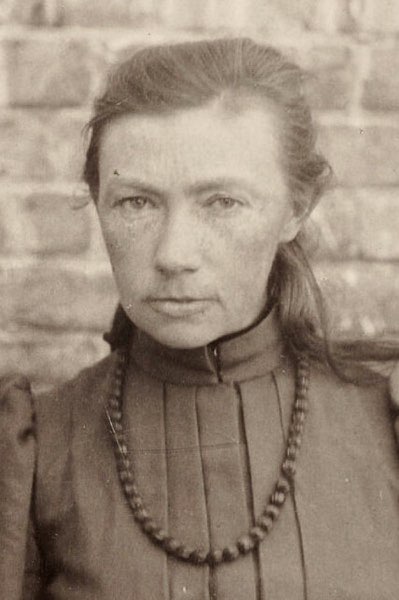
Sofiia Rusova (1856–1940) was a Ukrainian educator, writer and women's rights organizer. In interwar Czechoslovakia she taught at Ukrainian educational institutions in Prague and Poděbrady and contributed to care initiatives for émigré…
69
Person · 1849–1936
Fedir Shcherbyna (1849–1936) was a statistician and historian of the Kuban region who taught in Ukrainian émigré universities in Czechoslovakia. He served as rector of the Ukrainian Free University in Prague in 1924–1925 and taught…
76
Person · 1883–1943
Oleksander Mytsiuk (1883–1943) was a Ukrainian economist, politician and academic in Czechoslovakia. Following his service in the Ukrainian National Republic, he taught at the Ukrainian Husbandry Academy in Poděbrady and the Ukrainian Free…
63
Person · 1874–1945
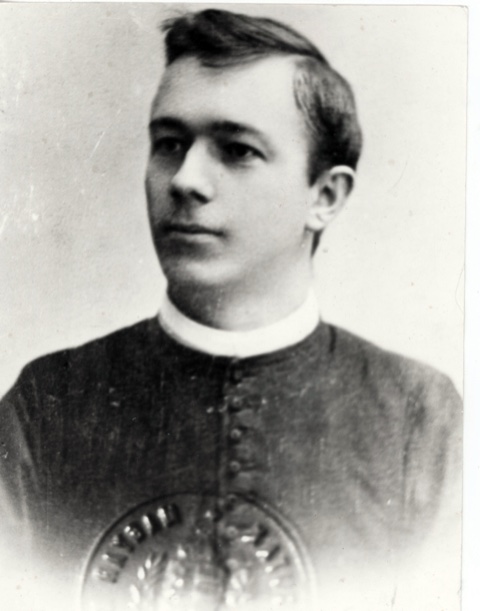
Augustyn Voloshyn (1874–1945) was a Greek Catholic priest, educator and political leader. He declared Carpatho-Ukraine independent on 14 March 1939 and was elected its president the following day. Following Hungarian occupation, he lived…
63
Person · 1899–1970
Oleksa Stefanovych (1899–1970) was a Ukrainian émigré poet who studied and published in interwar Prague. His writing combines Volhynian memory, Christian imagery and historical reflection. The imprint date of his collection Stephanos I…
32
Person · 1902–2005
Nataliia Livytska-Kholodna (1902–2005) was a Ukrainian émigré poet and translator educated in Prague and active in the Poděbrady literary milieu. She published Fire and Ashes (1934) and Seven Letters (1937) in Warsaw. Her career…
33
Person · 1876–1940
Spyrydon Cherkasenko (1876–1940) was a Ukrainian writer, playwright and educator. After working in Ukraine and Vienna, he developed educational theater and youth literature in interwar Uzhhorod, then part of Czechoslovakia. He later lived…
36
Person · 1888–1966
Natalena Koroleva (1888–1966) was a Ukrainian writer of historical and mythological prose. Encyclopedic biographies date her Prague diplomatic period to 1919; the preface to a 2003 bibliographical guide places her arrival in early 1920.…
33
Person · 1897–1968
Yevhen Malaniuk (1897–1968), a Ukrainian poet and former officer of the Ukrainian People's Republic army, studied at the Ukrainian Husbandry Academy in Poděbrady during the 1920s. His debut collection, Stylet i stylos, was published there…
68
Person · 1907–1944
Oleh Olzhych (1907–1944), born Oleh Kandyba, was a Ukrainian poet, archaeologist and political activist, and a son of the poet Oleksandr Oles. Educated in Prague, he completed studies at Charles University and researched Neolithic painted…
37
Person · 1906–1942
Olena Teliha (1906–1942) was a Ukrainian poet whose intellectual formation took place in interwar Czechoslovakia. She lived mainly in Poděbrady, studied in Prague, and participated in émigré cultural life. Later she worked in Nazi-occupied…
38
Person · 1878–1944
Oleksandr Oles (1878–1944), born Oleksandr Kandyba, was a Ukrainian poet and playwright whose Prague residence began in 1923 or 1924 according to conflicting sources, and continued until his death. His émigré writings combined lyric poetry…
89
Person · 1877–1945
Dmytro Antonovych (1877–1945) was a Ukrainian art historian, educator and political figure whose career linked Kyiv, Vienna and Prague. In Prague he taught and served as rector of the Ukrainian Free University, helped establish a Ukrainian…
83
Person · 1882–1951
Dmytro Doroshenko (1882–1951) was a Ukrainian historian, diplomat, and university lecturer. He taught at the Ukrainian Free University and at Charles University in Prague, co-founded the Ukrainian Historical and Philological Society in…
38
Person · 1867–1945
Oleksander Kolessa (1867–1945) was a Ukrainian philologist, literary historian, and organizer of émigré scholarship in Prague. He served multiple terms as rector of the Ukrainian Free University and maintained documented scholarly contacts…
82
Person · 1884–1948
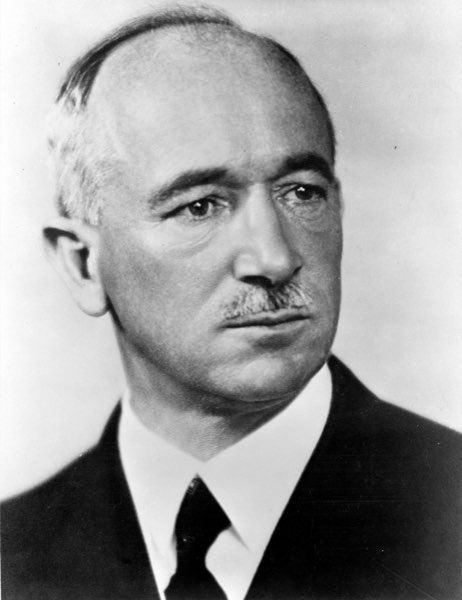
Edvard Beneš (1884–1948) was a Czechoslovak diplomat and president whose policies shaped the status of Subcarpathian Rus' and post-war Transcarpathia. He contributed to Czechoslovak state-building after 1918 and became president in 1935.…
67
Person · 1868–1945
Maksym Slavinsky (1868–1945) was a Ukrainian journalist, translator and diplomat who headed the Ukrainian People's Republic mission in Prague from 1919 to 1923. He subsequently taught at Ukrainian émigré institutions. Arrested in Prague in…
32
Person · 1872–1959
Stepan Siropolko (1872–1959) was a Ukrainian educator, education historian and bibliographer. In interwar Prague he taught at the Ukrainian Pedagogical Institute, helped organize a society of Ukrainian book lovers and edited the journal…
83
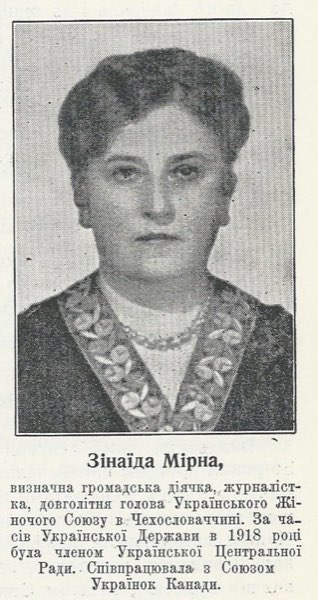
Person · 1878–1950
Zinaida Mirna (1875/1878–1950) was a Ukrainian civic leader, member of the Central Rada and an organizer of the women's movement. Based in Prague from 1924, she led émigré assistance activities and helped safeguard Ukrainian museum…
82
Person · 1874–1943
Ivan Shovheniv (1874–1943) was a Ukrainian hydraulic engineer and water-management specialist who became the first rector of the Ukrainian Husbandry Academy, founded in Poděbrady in 1922. The academy initially operated in a hotel before…
79
Person · 1878–1953
Borys Ivanytsky (1878–1953) was a Ukrainian forestry scholar and educator associated with the Ukrainian Husbandry Academy in Poděbrady. His teaching and publications connected practical forestry with Ukrainian-language professional…
—
Person · 1881–1950
Serhii Tymoshenko (1881–1950) was a Ukrainian architect, educator, and public figure. During the 1920s he taught at the Ukrainian Husbandry Academy in Poděbrady and helped develop Ukrainian art education in Prague. Sources differ on the…
Organisation · 1921–1950
Founded in Vienna in January 1921, the Ukrainian Free University moved to Prague later that year. With support from the Czechoslovak government and cooperation with Charles University, it developed into a major academic institution for…
Organisation · 1922–1945
Established in Poděbrady in 1922 with Czechoslovak support, the Ukrainian Economic Academy educated Ukrainian émigrés in engineering, agriculture, forestry and economics. It also developed publishing and academic activities and brought…
Organisation · 1923–1945
The Mykhailo Drahomanov Ukrainian Higher Pedagogical Institute operated in Prague from 1923 to 1933. Established by Ukrainian émigrés within a supportive Czechoslovak environment, it trained teachers and sustained Ukrainian-language…
Organisation · 1922–2026
The Ukrainian Studio of Plastic Arts was established in Prague in late 1923 by Ukrainian émigré artists led by Dmytro Antonovych. The school taught painting, drawing, graphic art, sculpture and architecture, welcoming Czech and Slovak…
Organisation · 1925–1956
Established in Prague in March 1925 as part of the Drahomanov Ukrainian Pedagogical Institute, the Ukrainian Real Gymnasium offered Ukrainian-language secondary education to emigrants' children. It fostered student publications and later…
Organisation · 1925–1999
Founded in Prague in 1925, the Museum of Ukraine's Struggle for Independence collected records of the Ukrainian National Republic, military units, émigré associations, publications, photographs and artworks. Its holdings suffered severe…
Organisation · 1921–1945
The Ukrainian Historical and Philological Society in Prague (1923–1945) was a major scholarly center of Ukrainian intellectual emigration. Chaired by Dmytro Antonovych, it held hundreds of meetings, published five volumes of scholarly…
Organisation · 1920–1945
Established in Prague in 1924, the Ukrainian Institute of Sociology developed social-science research, published the journal Suspil'stvo, maintained collections, and supported correspondence education. Mykyta Shapoval was its leading…
Organisation · 1926–1942
The Ukrainian Society of Book Lovers in Prague (1927–1942) brought together Ukrainian librarians, bibliographers and publishers. Emerging from the 1926 international librarians' congress, it cooperated with Czech institutions, published…
Organisation · 1921–1943
Founded in 1923, the Ukrainian Women's Union in Czechoslovakia organized practical assistance to émigrés, supported students and children, ran a community dining space and developed ties with Czech and international women's organizations.…
Organisation · 1919–1945
The Ukrainian Academic Hromada began in Prague in 1919 as a student association and adopted its later name in 1920. It connected Ukrainian students across educational institutions, supported their cultural life, and published student…
Organisation · 1922–1977
Founded at a Prague student congress in 1922, the Central Union of Ukrainian Students coordinated Ukrainian student associations across countries. It facilitated representation, assistance, international contacts, and publishing. Its…
Organisation · 1911–1939
During the interwar years, Czechoslovakia became an important centre for Ukrainian scouting in exile. Plast groups were active in Prague, Poděbrady, Řevnice and other towns. A Prague-based leadership structure emerged in 1925, followed by…
Organisation · 1921–1939
Based in Prague during the 1930s, the Union of Ukrainian Émigré Scouts coordinated Ukrainian scouting groups in several European countries. It developed from earlier Ukrainian scout units active in Czechoslovakia since the early 1920s. The…
Organisation · 1921–2026
Plast Czechia is a contemporary Ukrainian scouting organisation that reports activities in Prague, Brno, and Ostrava. Local scouting was revived in 2014, with a new Plast group established on 26 April 2015. Its work includes youth…
Organisation · 1924–1978
The Society of the Museum of Ukraine's Struggle for Independence was established in Prague in 1925 to govern and support a Ukrainian exile museum. It organized donations, membership and decisions concerning collections. The Society and the…
Organisation · 1933–1944
Proboiem was a Ukrainian Prague-based journal and associated book publisher linked to Stepan Rosokha. The encyclopedia dates the magazine from December 1933 to January 1944; other catalogue summaries begin in 1934, while the book publisher…
Organisation · 1936–2014
Kolos was a private Ukrainian publisher operating in Prague between 1940 and 1945. An encyclopedic entry names I. Roman as its founder and estimates about twenty titles. Library catalogues document editions of Mykola Kulish, Leonid Mosendz…
Organisation · 1918–2022
The Ukrainian People's Republic operated an extraordinary diplomatic mission in Prague from 1919 to 1923, headed by Maksym Slavinsky. Its work included correspondence, identity documents and economic negotiations, including an oil-supply…
Organisation · 1902–1941
“Ukrainian Student Community of Prague” is a provisional research label. Archival fonds 4032 documents a “Ukrainian Hromada” society in 1902–1908, including records of aid to students. Its identity must not be conflated with the Ukrainian…
Organisation · 1989–2026
Ukrajinská iniciativa v České republice (UIČR; company ID 60448296) is a Ukrainian community association formally originating in 1994. It works in cultural and information activities and is linked to the Porohy periodical, whose first year…
Organisation · 1989–2026
Sdružení Ukrajinců a příznivců Ukrajiny (SUPU; company ID 00506605) continues an earlier Ukrainian association formed after 1989. A Czech academic study describes the separation of UIČR around 1994; they remain different legal entities.…
Place · 1680–2026
Olšany Cemeteries are a major historic burial complex in Prague, originating in 1680 and linked to the memory of Ukrainian interwar émigrés. The poet Oleksandr Oles was buried there until his remains were repatriated to Kyiv in 2017. The…
Place · 1905–2026
Poděbrady Castle is a Czech historic landmark associated with King George of Poděbrady and the development of the spa town. During the interwar period it housed the Ukrainian Husbandry Academy, founded in 1922. The academy originally…
Place · 1896–2026
Poděbrady Municipal Cemetery in Kluk is a protected Art Nouveau heritage site associated with Josef Fanta, František Thomayer, and František Bílek. It also preserves the memory of Ukrainian émigrés linked to the Ukrainian Husbandry…
Place · 1990–2026
The House of National Minorities at Vocelova 602/3, Prague 2, is a public cultural and community venue. It opened on 21 June 2007, became a public-benefit company in 2009, and since January 2025 has functioned as an independent municipal…
Place · 1925–2025
Řevnice is a Czech town closely associated with the Ukrainian secondary school established in Prague in 1925 and located in Řevnice approximately from 1927/1928 to 1937. Czech library and local sources date the transfer to 1927, while a…
Place · 1088–2026
Nusle is a historical Prague district and cadastral territory. A municipal encyclopedia records an earliest written reference in 1088, elevation to town status in 1898, and incorporation into Greater Prague on 1 January 1922. Most of the…
Place · 1347–2026
The historic premises of Charles University connect medieval Prague with Ukrainian academic life in interwar Czechoslovakia. The university was founded in 1348, while the Carolinum became its central historic site in the 1380s. Ukrainian…
Work · 1923–2026
Proceedings of the Ukrainian Historical-Philological Society in Prague comprise five documented volumes issued in 1926, 1939, 1941, 1942 and 1944. The series preserves a major record of Ukrainian émigré scholarship. A catalogue description…
Work · 1924–2026
Suspilstvo (La société) was a scholarly collection issued by the Ukrainian Institute of Social Sciences in Prague under the editorship of Mykyta Shapoval between 1925 and 1927. Three physical volumes incorporated paired book numbers I–II…
Work · 1989–2026
Porohy is a Ukrainian cultural and political magazine associated with the Ukrainian Initiative in the Czech Republic. Its own websites give both 1993 and 1994 as a starting year, requiring verification against the first issue. The magazine…
Work · 1917–2023
*Stylet i stylos* is Yevhen Malaniuk’s first poetry collection, published in Poděbrady in 1925 by a publisher named “Kyiv.” A library catalogue records 47 pages and poems from 1923–1924. “Kyiv” in the imprint is the publisher’s name, not…
Work · 1918–2026
Earth and Iron is Yevhen Malaniuk's third poetry collection, published in Paris by Tryzub in 1930. It reflects the upheavals of Ukraine's struggle for independence and belongs to the author's transnational literary career rooted in…
Work · 1899–2020
Stephanos I is a Prague poetry collection by Ukrainian émigré Oleksa Stefanovych, issued by Dniprovi Porohy. A surviving library copy is catalogued as 79 pages plus one unnumbered page. Its date remains unresolved: scholarly references…
Work · 1902–2026
Fire and Ashes (1934) is the first poetry collection by Natalia Livytska-Kholodna, published in Warsaw by the Ukrainian émigré publisher Variah. Its modernist love poetry provoked diverging contemporary reactions and is now studied in…
Work · 1902–2005
Seven Letters (1937) is Natalia Livytska-Kholodna’s second poetry collection, issued in Warsaw by the Ukrainian émigré press Variah. The title evokes the seven letters of the Ukrainian word for Ukraine, and literary criticism reads the…
Event · 1917–2026
The Prague School of Ukrainian Poetry is a retrospective literary label for an informal network of interwar Ukrainian émigré writers, including Yevhen Malaniuk, Yurii Darahan, Oleh Olzhych, and Olena Teliha. Although strongly connected to…
Event · 1917–2020
Following the upheavals of 1917–1921, interwar Czechoslovakia became a major centre of Ukrainian émigré education and culture. The state-sponsored Russian Assistance Action launched in 1921 helped establish a network of schools, research…
Event · 1920–1945
The Ukrainian Free University was established in Vienna early in 1921 and moved its academic activities to Prague after its first semester. The university’s institutional history and Czech National Library materials support an autumn 1921…
Event · 1925–2025
R0104 is the foundation event of Prague’s Museum of the Ukrainian Liberation Struggle in May 1925. Ukrainian Free University academics, notably art historian Dmytro Antonovych, were closely associated with the initiative. A historical…
Event · 1925–2025
The US air raid on Prague on 14 February 1945 severely damaged the building of the Museum of the Ukrainian Liberation Struggle in Nusle. Historical accounts by Mykola Mushynka and later researchers describe deaths, damage and the salvage…
Event · 1944–2017
The remains of Ukrainian poet Oleksandr Oles (Kandyba) and his wife Vira were reburied in Kyiv on 29 January 2017 after transfer from Prague. Ukraine’s government had issued order 33-r on 18 January, and the Czech Embassy reported a…