Person · War and post-war decades · Czechs in Ukraine · N0029
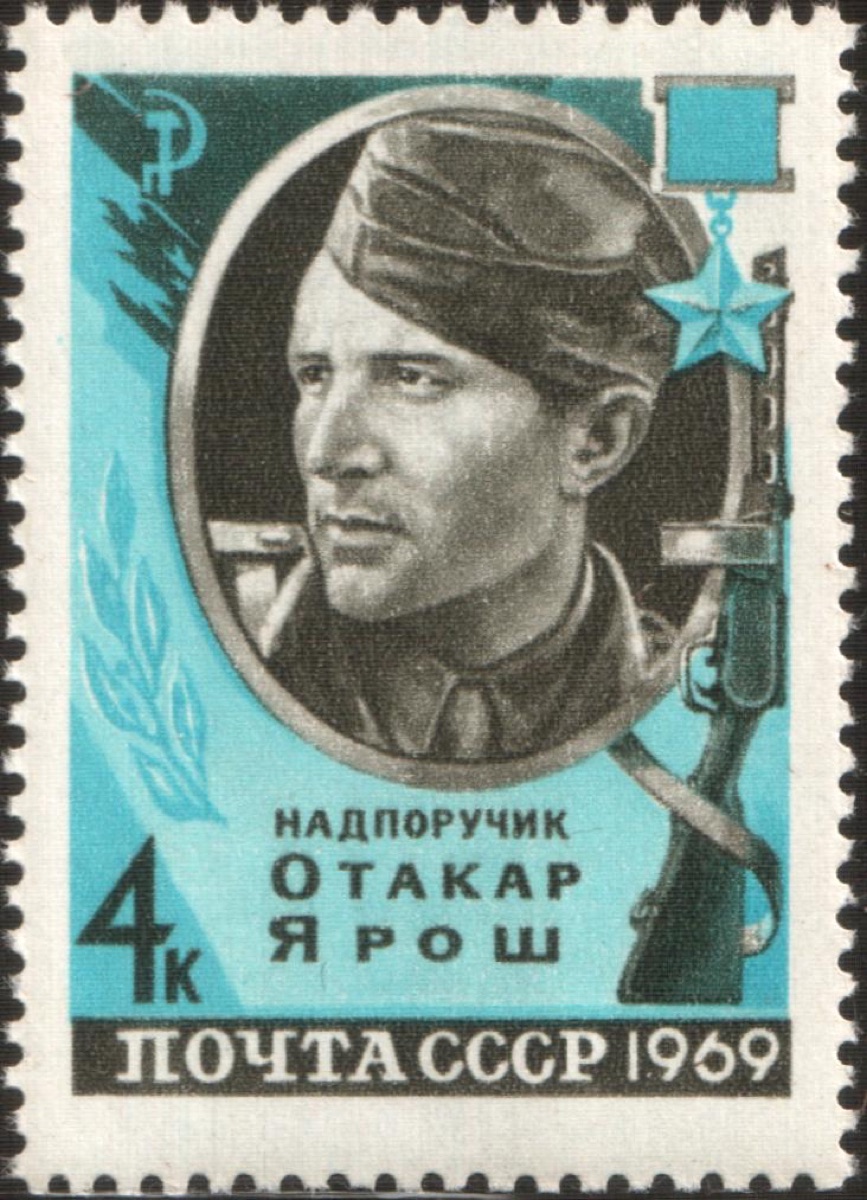
Otakar Jaroš
Отакар Ярош · 1912–1943
Essence
The Czechoslovak officer Otakar Jaroš commanded a company that defended the village of Sokolovo in March 1943 and fell there on 8 March 1943. He was posthumously made a Hero of the Soviet Union; his memory is kept in Sokolovo and Kharkiv. The sources differ on how to describe his political views.
Timeline
- 1.8.1912Born in Louny (JAR02 gives August 1912 without the day). [JAR01; JAR02]
- 1934Graduated from the Higher Electrotechnical School in Prague; on 1 October 1934 began conscript service with a telegraph battalion in Trnava. [JAR01]
- 29.8.1937Commissioned as a lieutenant of the telegraph troops. [JAR01]
- 1939After the occupation went to Poland (JAR02: after several attempts), then was interned in the USSR. [JAR01; JAR02]
- 1942Commanded a company in Buzuluk (JAR02: joined the Buzuluk unit in February 1942; as a first lieutenant commanded the 1st infantry company). [JAR01; JAR02]
- 8.3.1943Killed defending Sokolovo (according to JAR02, in front of the village church, reportedly from machine-gun fire from a German tank). [JAR01; JAR02]
- 17.4.1943Posthumously awarded the title Hero of the Soviet Union (JAR02 says "about a month after his death, in absentia"); JAR01 calls him the first foreigner in the Second World War to receive it. [JAR01; JAR02]
Full research text
Significance
Otakar Jaroš (1912–1943) was a Czechoslovak officer who fell on 8 March 1943 defending the village of Sokolovo. [JAR01; JAR02] Jaroš was posthumously made a Hero of the Soviet Union. [JAR01]
Life
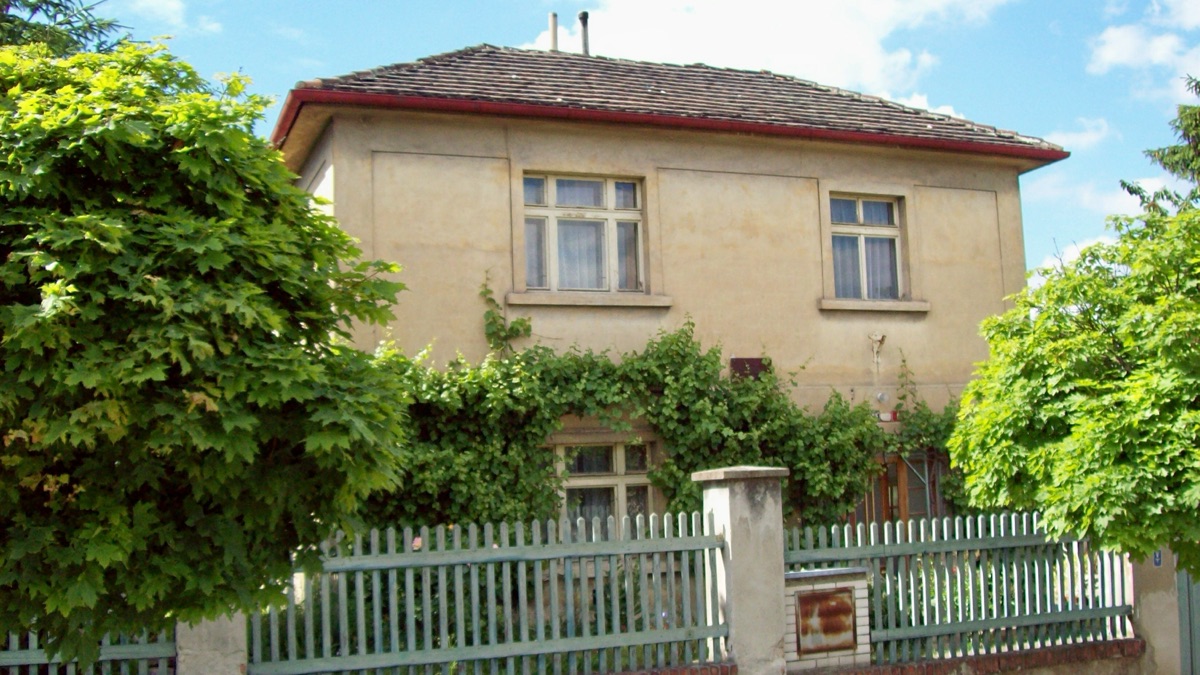
Jaroš was born on 1 August 1912 in Louny; the family moved to Mělník, where he grew up. He did not finish gymnasium and in 1934 graduated from the Higher Electrotechnical School in Prague. He began conscript service on 1 October 1934 with a telegraph battalion in Trnava and on 29 August 1937 was commissioned as a lieutenant of the telegraph troops. [JAR01] After the occupation of Czechoslovakia, according to JAR01, he briefly worked as a post-office clerk in Náchod, reached Poland on his third attempt and from there the USSR, where he was interned. [JAR01] In the USSR he was a signals platoon commander, a commander of an officer school and in 1942 commanded the 1st training company at Buzuluk. [JAR01; JAR02]
Sokolovo and commemoration
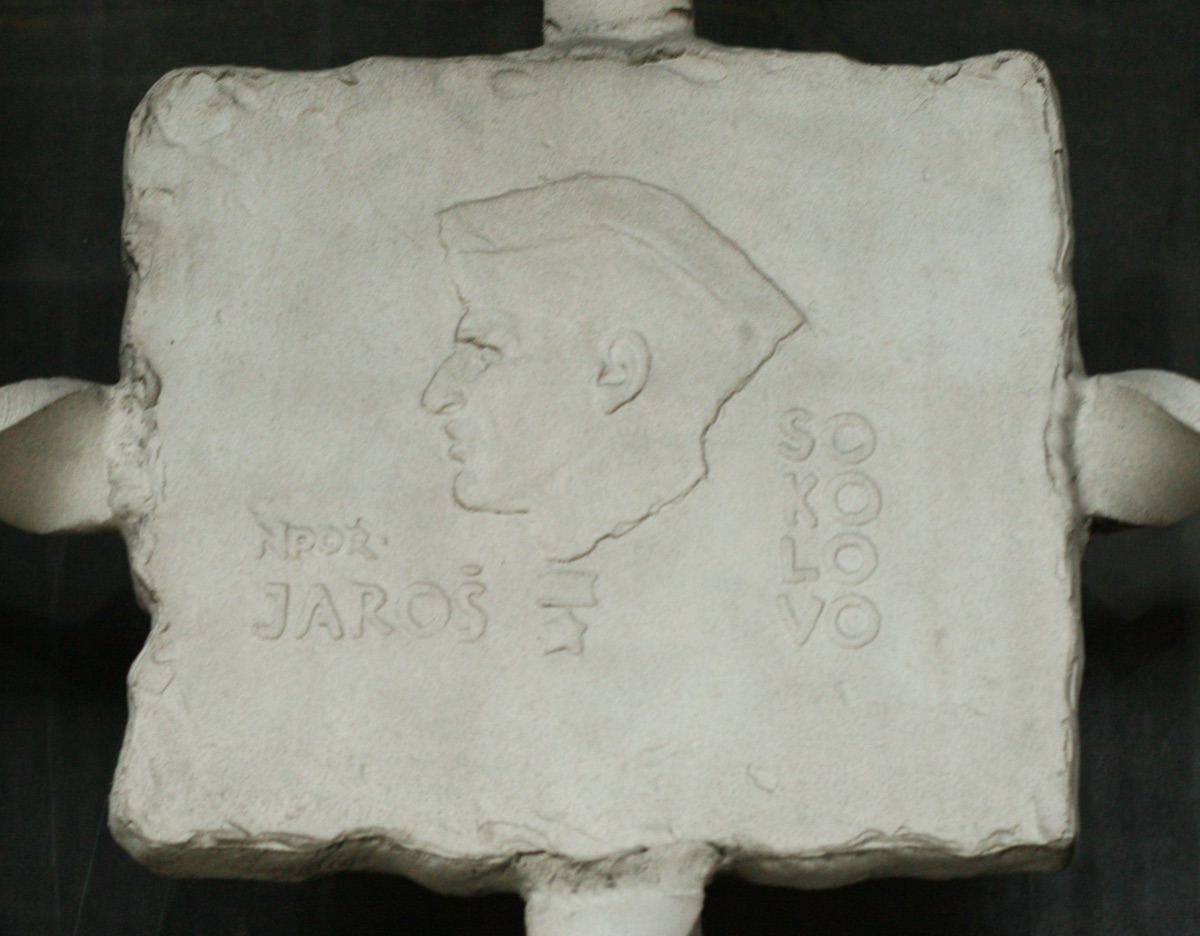
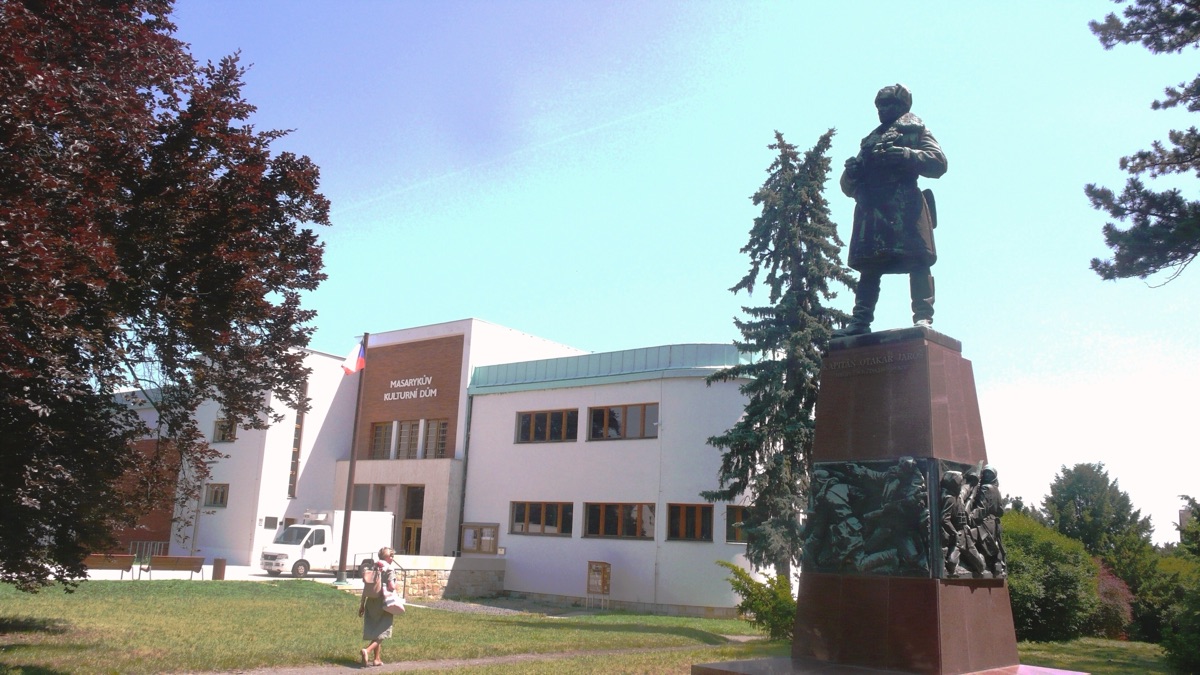
According to JAR01, in March 1943 Jaroš commanded the defence of Sokolovo and was killed in the battle on 8 March 1943 with the rank of first lieutenant. [JAR01] Valka.cz describes how in early March he volunteered to lead his 1st infantry company in defending the village on the river Mzha against German forces, promised Svoboda that he would not retreat, and was killed in front of the village church, reportedly by machine-gun fire from a German tank. [JAR02]
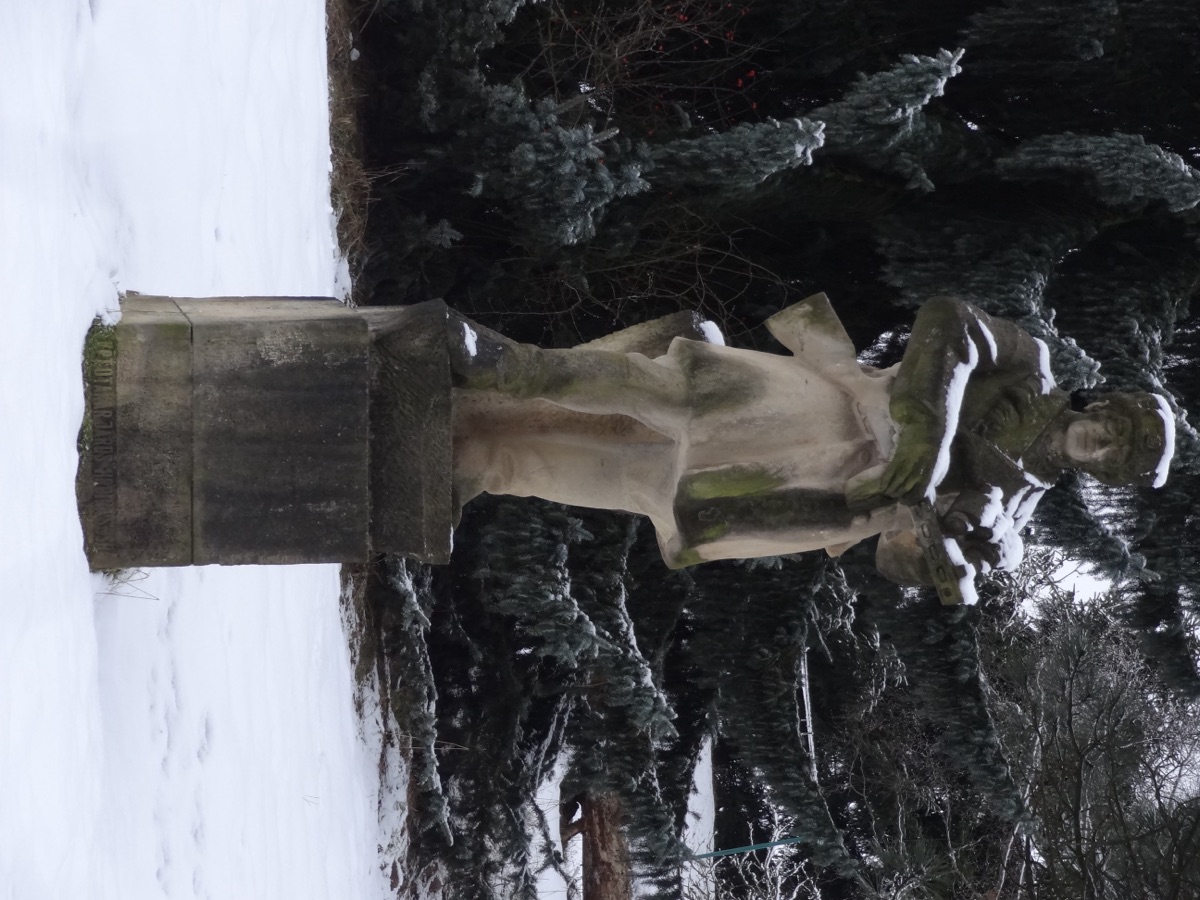
According to JAR01, Jaroš posthumously received the Order of Lenin and the title Hero of the Soviet Union (both on 17.4.1943) and, in Czechoslovakia, the Czechoslovak War Cross 1939 (13.3.1943) and other honours; the article calls him the first foreigner in the Second World War to receive this title. [JAR01] His burial place is given at the level of the Zmiiv district, with no specific location; in Sokolovo there is a war grave of those who fell in the battle, and in Kharkiv a street named after him and a memorial plaque. There are also memorials in Buzuluk, Svidník, Mělník and Louny. [JAR01]
Disagreements in the sources
Rank: JAR01 calls him a first lieutenant at his death and a captain in memoriam; both variants occur in the same article. Unit names are unclear in the article: JAR01 names the Czechoslovak unit differently in different places (independent field battalion or corps), and JAR02 does not name the battalion at Sokolovo directly. [JAR01; JAR02]
Political views: JAR02 portrays Jaroš as a man who detested communists and relies on later witness recollections and on the work of the historian Jaroslav Hrbek; it says that in 1942 Jaroš protested against political agitation in the unit. These testimonies are given in this dossier only as the article's claims and were not checked. Soviet and communist propaganda used him as a hero, which JAR02 regards as at odds with his actual views. [JAR02] JAR01 does not write about Jaroš's political views. JAR01 gives no details of the course of the battle at Sokolovo. [JAR01]
Further reading about this person
A book about this person has not yet been confirmed. Research in library catalogues continues.
Sources
- JAR01 Czech Wikipedia, article "Otakar Jaroš": biography, military service, honours, commemoration; the main source is J. Klůc's book (2018); used as a pointer to the literature (Klůc, Brož, Fidler and others). cs.wikipedia.org
- JAR02 valka.cz, article "Kapitán Jaroš: nesnášel komunisty, přesto se stal jejich ikonou" (8 Mar 2013, credited to Petr Kain / ihned.cz): the course of the defence of Sokolovo and the dispute over Jaroš's political views; some claims rest on later witness recollections. valka.cz
Photos and videos
Verification
Draft
Research draft with sources; independent check still pending.
Evidence coverage
Timeline claims assessed: 0 / 7. Claims with verified contradictions: 0.
The score measures coverage of timeline claims by verified sources, not the probability of historical truth. One independent source gives a claim 0.5 points; two or more give 1 point. A disputed claim receives 0. Unassessed claims remain in the denominator.
evidence-v1
How the score is calculated
Each claim shows its contribution to the score and verified current sources. Multiple references may share an origin; context adds no points.
-
1.8.1912
Born in Louny (JAR02 gives August 1912 without the day).
Not yet assessed Contribution: 0.0 / 1Independent source origins: 0
Verified current support has not been established. This does not mean the claim is false.
Report this claim -
1934
Graduated from the Higher Electrotechnical School in Prague; on 1 October 1934 began conscript service with a telegraph battalion in Trnava.
Not yet assessed Contribution: 0.0 / 1Independent source origins: 0
Verified current support has not been established. This does not mean the claim is false.
Report this claim -
29.8.1937
Commissioned as a lieutenant of the telegraph troops.
Not yet assessed Contribution: 0.0 / 1Independent source origins: 0
Verified current support has not been established. This does not mean the claim is false.
Report this claim -
1939
After the occupation went to Poland (JAR02: after several attempts), then was interned in the USSR.
Not yet assessed Contribution: 0.0 / 1Independent source origins: 0
Verified current support has not been established. This does not mean the claim is false.
Report this claim -
1942
Commanded a company in Buzuluk (JAR02: joined the Buzuluk unit in February 1942; as a first lieutenant commanded the 1st infantry company).
Not yet assessed Contribution: 0.0 / 1Independent source origins: 0
Verified current support has not been established. This does not mean the claim is false.
Report this claim -
8.3.1943
Killed defending Sokolovo (according to JAR02, in front of the village church, reportedly from machine-gun fire from a German tank).
Not yet assessed Contribution: 0.0 / 1Independent source origins: 0
Verified current support has not been established. This does not mean the claim is false.
Report this claim -
17.4.1943
Posthumously awarded the title Hero of the Soviet Union (JAR02 says "about a month after his death, in absentia"); JAR01 calls him the first foreigner in the Second World War to receive it.
Not yet assessed Contribution: 0.0 / 1Independent source origins: 0
Verified current support has not been established. This does not mean the claim is false.
Report this claim
How we verify
- DraftResearch draft with sources; independent check still pending.
- Checked automaticallyQuotes mechanically matched to sources; an independent model found no contradictions.
- Two sources (automatic score)Automatic evidence score: key facts rest on at least two independent sources. No person has yet read the whole dossier.
- Confirmed by an editorAn editor confirmed the dossier; the reason is shown on the page. This is not an independent scholarly review.
- Disputed pointsSources disagree; disputed points are marked in the text.
Report an error or add information
Your message goes to the editorial queue. AI pre-sorts it, a human decides.