Person · National revival · Ukrainians in Czechia · R0025
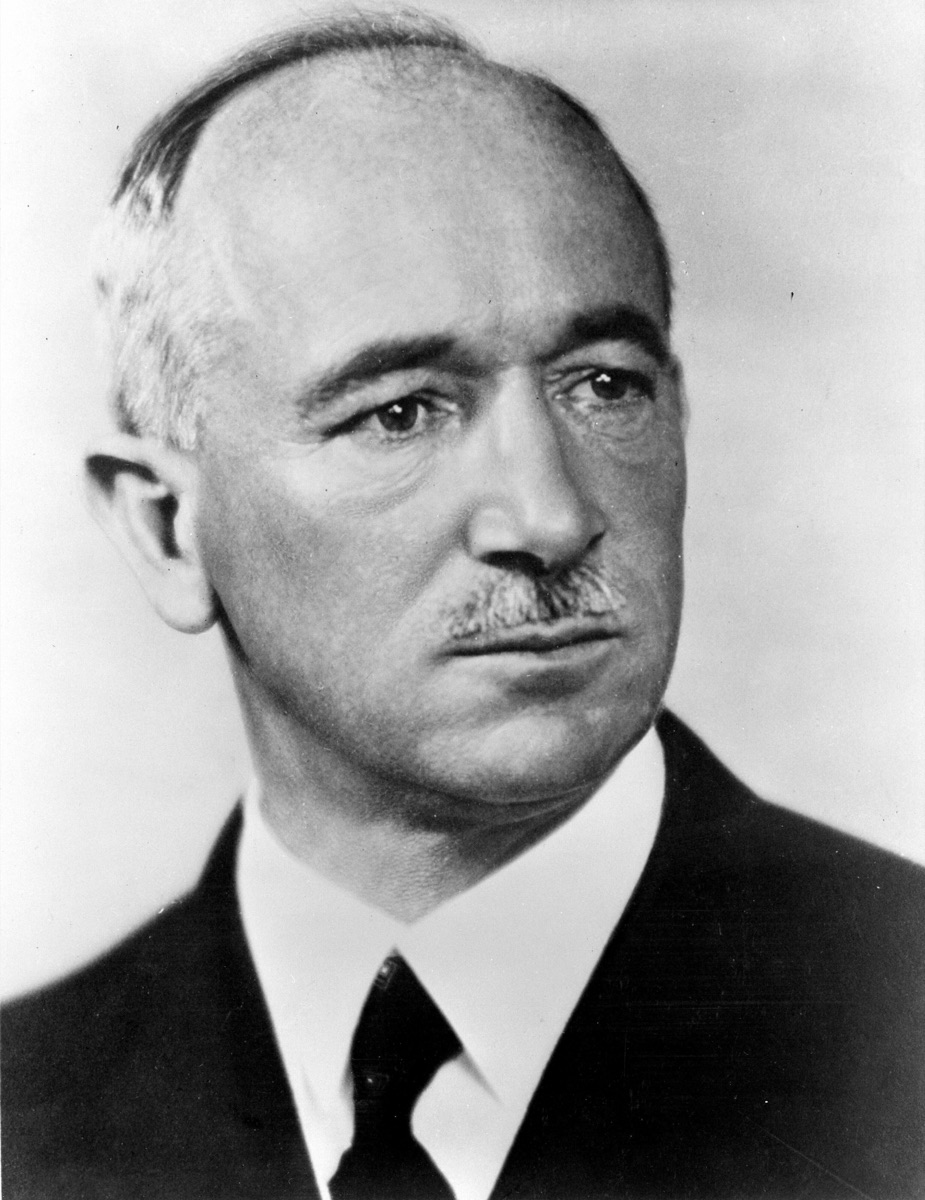
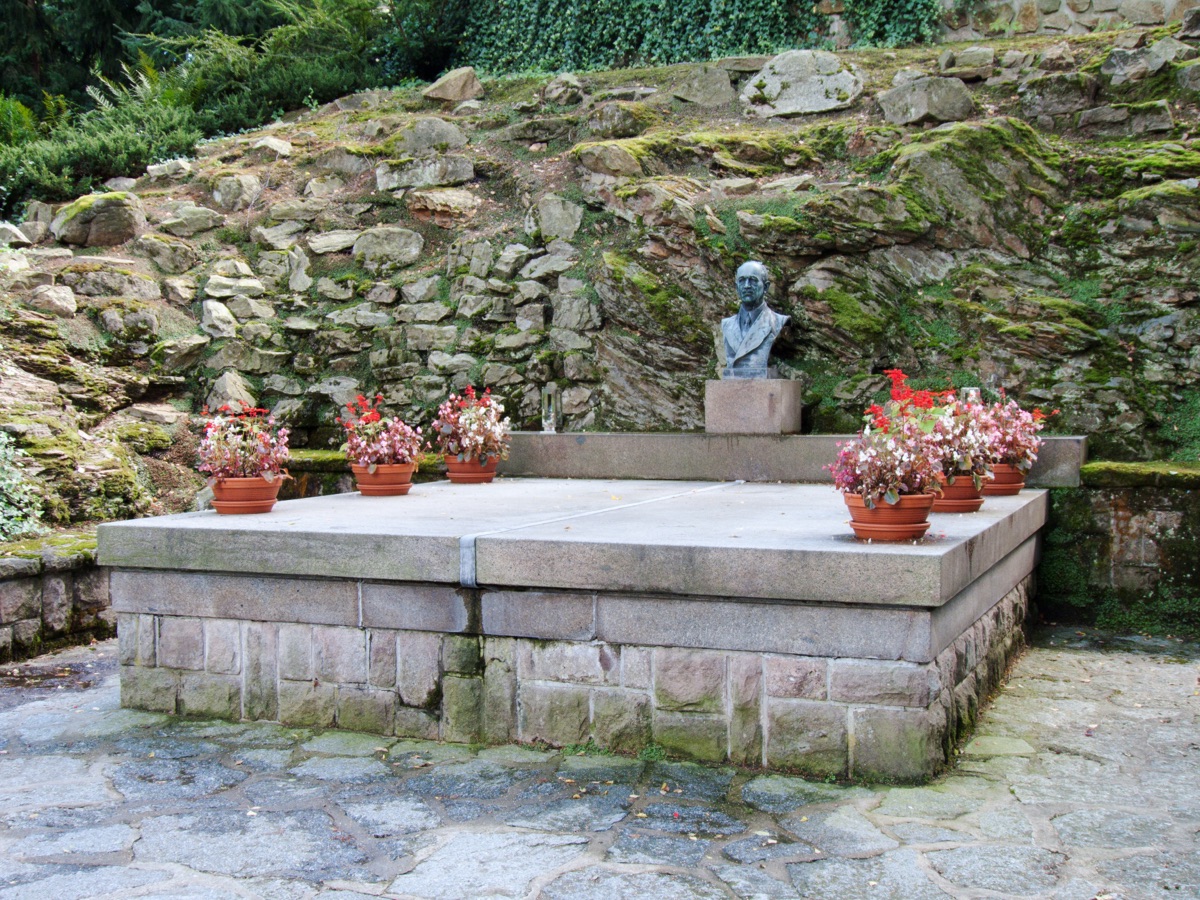
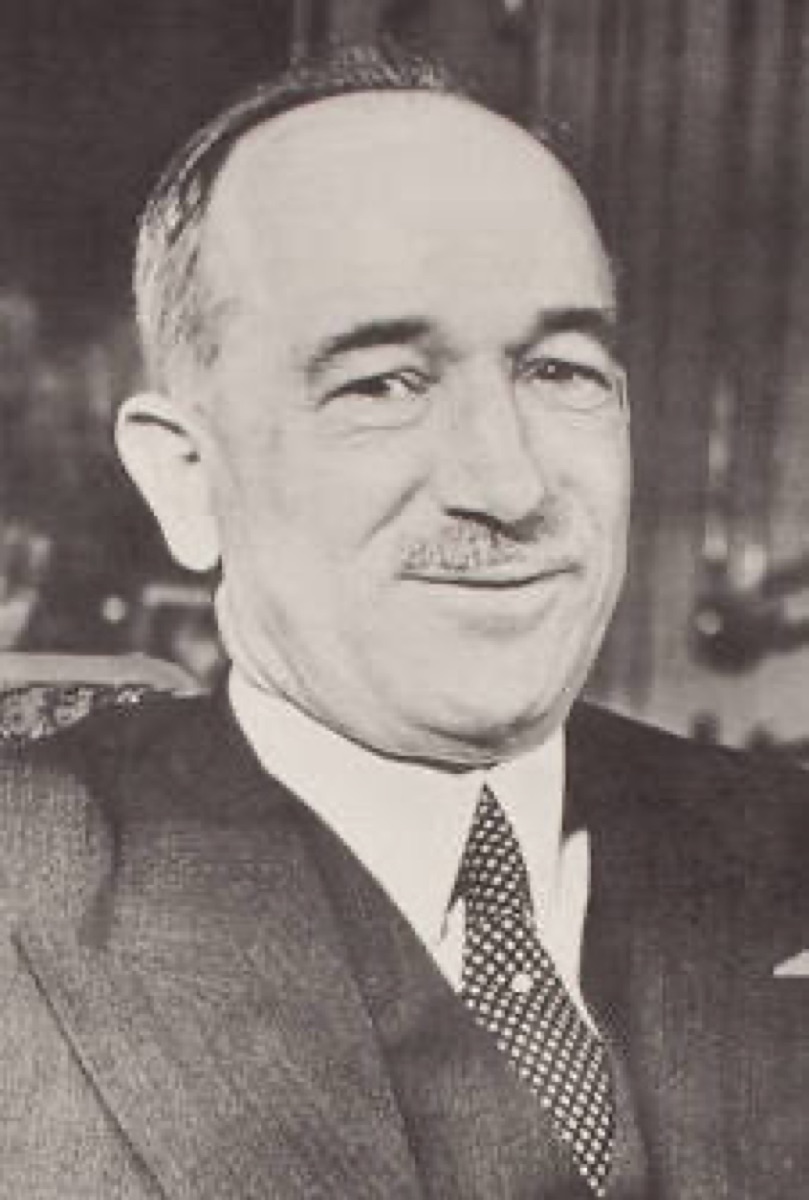
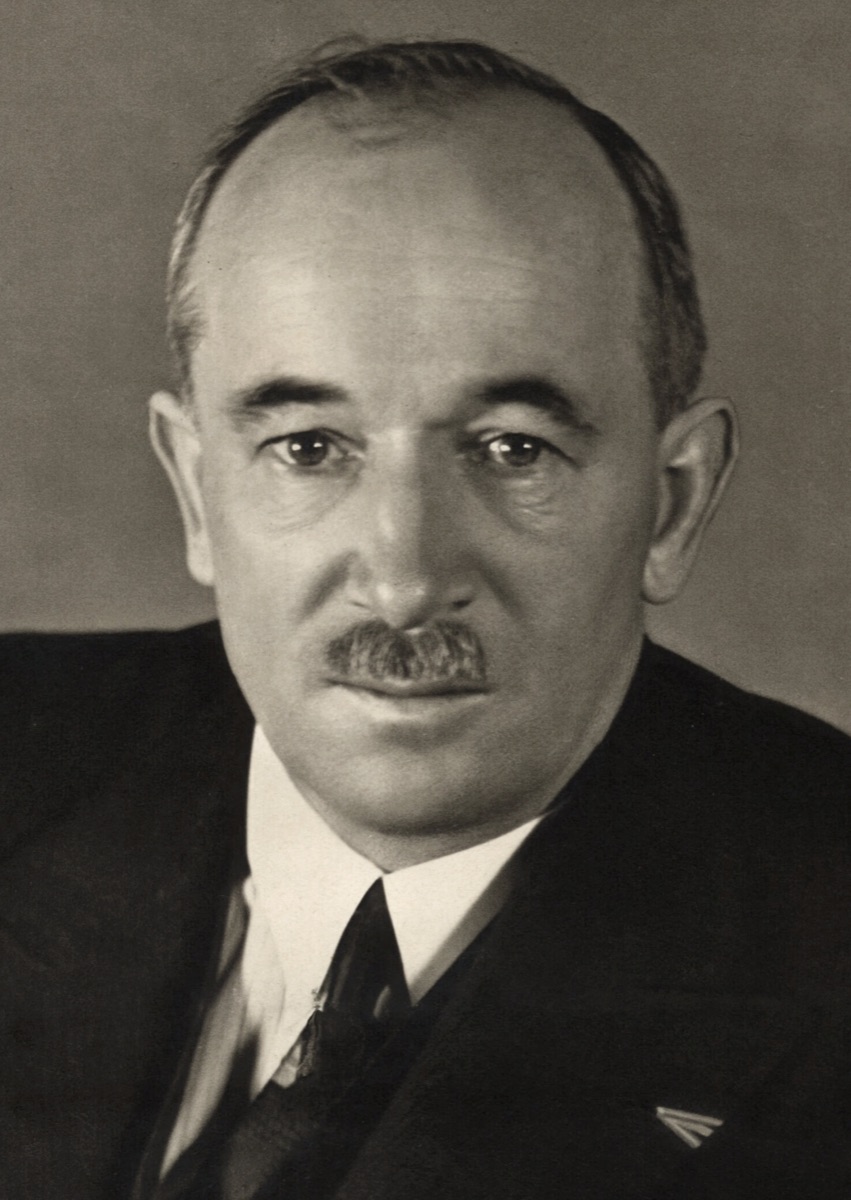
Edvard Beneš
Едвард Бенеш · 1884–1948
Essence
Edvard Beneš (1884–1948) was a Czechoslovak diplomat and president whose policies shaped the status of Subcarpathian Rus' and post-war Transcarpathia. He contributed to Czechoslovak state-building after 1918 and became president in 1935. The agreement of 29 June 1945 concerning Transcarpathian Ukraine was signed in Moscow by the plenipotentiaries Zdeněk Fierlinger and Vladimír Clementis and by Vyacheslav Molotov; Beneš ratified it on 12 January 1946 and on 24 August 1945 signed Constitutional Decree No. 60/1945 on preparations for its implementation. Claims about his personal role in funding Ukrainian exile schools require separate documentary evidence.
Timeline
- 1884-05-28Born in Kožlany. [EB05; EB12; EB13; EB02]
- 1908–1909Doctoral degree and completion of education in France and Prague. [EB05; EB12; EB13]
- 1915Joins the Czechoslovak movement abroad. [EB05; EB12; EB13]
- 1918Czechoslovakia’s new Ministry of Foreign Affairs. [EB05; EB12; EB13]
- 1919-09-10Treaty of Saint-Germain: legal framework for the territory’s status. [EB09]
- 1921Draft letter from President Masaryk to Minister Beneš on aid to Russia (reply to Gorky's appeal). [EB06]
- 1935Elected president of Czechoslovakia. [EB14; EB13; EB12]
- 1938Munich crisis, resignation and departure from the country. [EB05; EB12; EB02; EB13]
- 1939-03-15The Khust diet elected Avhustyn Voloshyn president of Carpatho-Ukraine (context: Beneš was in exile at the time). [EB10]
- 1943-12Moscow negotiations on the post-war settlement. [EB12; EB02; EB13]
- 1945-05-16Beneš returns to Prague. [EB05; EB13]
- 1945-06-29The treaty was signed by the authorised representatives Fierlinger, Clementis and Molotov; Beneš’s presidential ratification of 12.01.1946 is a separate act. [EB09]
- 1945-08-24Decree No. 60/1945 Sb., signed by Beneš. [EB08]
- 1945-09-01The decree is published and enters into force. [EB08]
- 1946-06-19Re-elected president. [EB05; EB13]
- 1948-06-07Resignation. [EB05; EB12; EB13]
- 1948-09-03Dies in Sezimovo Ústí. [EB05; EB12; EB02]
Full research text
Education and political formation
Born in Kožlany, he studied in Prague, Paris and Dijon, obtained a doctorate at Dijon in 1908 and a doctorate of philosophy in Prague in 1909, and worked on sociology and political theory. [EB05; EB12] During the First World War he joined the Czech and Slovak liberation movement alongside Tomáš Garrigue Masaryk and subsequently worked for international recognition of the new state. This was a diplomatic project amid the dissolution of empires and the establishment of new state borders. [EB01; EB05]
For the Ukrainian atlas, the central question is how geopolitical decisions on borders intersected with policies towards different national groups within the state. Interwar Czechoslovakia cannot be presented as an entirely uniform “showcase of democracy”: minority rights, promises of autonomy and actual administrative practice differed. [EB02; EB06]
Diplomacy in 1918–1919
In the early years of Czechoslovakia, Beneš played a leading role in foreign policy. Article 1 of the published 1945 treaty refers to the Treaty of Saint-Germain of 10 September 1919 as the framework under which the region joined Czechoslovakia with self-government. The Encyclopedia of Modern Ukraine separately assesses the roles of Beneš and Masaryk in the incorporation of Transcarpathia. The legal formula does not prove that autonomy was fully realised in practice. [EB02; EB09]
Policy towards Subcarpathian Rus'
According to the Ukrainian encyclopedia's account, Beneš was more sympathetic to the Russophile cultural orientation of part of the population and restrained demands for autonomy. This is an interpretation by particular historians and must be attributed to them rather than turned into a universal view of “all Czechoslovakia”. Other groups in the region — Ukrainian, Rusyn, Hungarian and Jewish — had differing political interests. [EB02]
When developing the graph, policy_position_about=Subcarpathian_Rus should remain a specific semantic relationship, without generating a fictitious member_of_Ukrainian_organization link. Research on an individual speech or publication should compare its original Czech wording with the later Ukrainian translation. [EB02; EB05]
State assistance to refugees and Ukrainian schools
Interwar Czechoslovakia became a centre of émigré education. The Masaryk Archive preserves a draft letter of President Masaryk to Foreign Minister Beneš on aid to Russia from 1921 (a reply to Gorky's appeal; it does not concern Ukrainian institutions); this confirms diplomatic communication between the president and the ministry, but does not automatically document funding for the Ukrainian Free University or every Ukrainian institution. [EB06]
Support for the Ukrainian Free University, Ukrainian Economic Academy and other educational centres needs to be reconstructed from the relevant government archives, budget decisions and scholarship programme records. A relationship stating “Beneš personally founded the Ukrainian university” would be false without a separate document. R0034, R0035 and R0039 warrant only contextual relationships with Czechoslovak state policy. [EB06; EB07]
The presidency and constitutional crisis of 1938
Beneš succeeded Masaryk as president in 1935. The Munich crisis of 1938 brought profound changes to the republic; that autumn Beneš resigned, left Czechoslovakia and began working in exile for its international legal continuity. Consequently, in March 1939 he was not the serving president in Prague: political responsibility for decisions concerning Carpatho-Ukraine must be attributed according to the offices and government structures then in place. [EB01; EB05]
Historians interpret Beneš's personal political decisions and the conditions of international pressure differently. The website should compare positions without imposing a single moral conclusion; a signed document, political speech and later memoir represent different levels of evidence. [EB01; EB05]
War, government in exile and diplomacy with the USSR
During the Second World War, Beneš led Czechoslovak authorities in exile, seeking international recognition and guarantees for the post-war settlement. In Moscow in December 1943 he discussed future relations with Soviet officials and representatives of the communist movement. Prague Castle's official biography critically describes his hopes of combining post-war ties to the USSR and the Western democracies. [EB01; EB05]
This context matters for the history of Ukrainian émigrés, who faced Soviet influence and arrests after 1945. However, general international policy does not establish that Beneš personally authorised each individual arrest; such claims require direct records from law-enforcement, Soviet and Czechoslovak authorities. [EB01; EB05]
The 1945 treaty concerning Transcarpathian Ukraine
On 29 June 1945 in Moscow, the authorised representatives Fierlinger, Clementis and Molotov signed the treaty concerning Transcarpathian Ukraine. The contemporary transcription of the published act No. 186/1946 Sb. that we read contains the treaty, the protocol on citizenship options and the presidential ratification bearing Beneš’s signature of 12 January 1946. The instruments of ratification were exchanged in Prague on 30 January 1946; the text dates the entry into force to that day, and the publication to 21 October 1946. This is a reading of a transcription from a private legal resource, not of autographs. [EB03; EB09]
Presidential Decree No. 60/1945
On 24 August 1945 Beneš signed constitutional decree No. 60/1945 Sb. on preparing the implementation of the treaty; the decree was promulgated and put into force on 1 September 1945. Sections 1–3 and the reproduction of the signatures in a contemporary transcription were read. The official e-Sbírka register entry has been retained, but the text was not read through its interface here. This entry into force of the decree differs from that of the treaty itself on 30 January 1946. [EB04; EB08; EB09]
In the graph, the signatories of the treaty on 29.06.1945, the signature of the decree on 24.08.1945 and the presidential ratification on 12.01.1946 must be distinguished. The formula “Beneš was not a diplomatic signatory on 29 June” is compatible with his own signature on the ratification act; without that clarification, the general “he did not sign” is misleading. [EB08; EB09]
Post-war policy and public memory
He returned to Prague on 16 May 1945 and was re-elected president in 1946. During the February 1948 crisis, his decisions effectively enabled the constitutional legalisation of the communist coup, although historians differ over his opportunities to resist. He resigned on 7 June 1948 and died in Sezimovo Ústí on 3 September. [EB01; EB05]
The Czech–Ukrainian website's editorial account must be institutionally precise and separate three questions: support for émigré schools, the development of autonomy in Transcarpathia and the territory's transfer to the USSR. None can be reduced to one unsupported label of Ukraine's “friend” or “enemy”. [EB02; EB03; EB06]
Connections
- Augustyn Voloshyn · Person · 1938–1939
- Ukrainian Free University · Organisation · 1921–1948
- Ukrainian Economic Academy in Poděbrady · Organisation · 1922–1938
- Ukrainian Civic Committee in Czechoslovakia · Organisation · 1920s
- Relocation of the Ukrainian Free University from Vienna to Prague (1921) · Event · 1921
- Andrij Jakovliv · Person · 1921–1945
- Pražský Majdan, z. s. · Organisation · 2014–2015
- Klementinum v Praze · Place · 1918–1948
Mentioned in dossiers
- Augustyn Voloshyn · Person
Further reading about this person
A catalogue confirms the bibliographic record. It does not mean that every dossier claim has been checked against the book’s full text.
-
About this person
Edvard Beneš. Politická biografie českého demokrata. Část první: Revolucionář a diplomat (1884–1935)
Jindřich Dejmek
Karolinum · 2006 · ISBN 80-246-1224-0
Bibliographic record confirmed · Record checked 2026-11-02
Catalogue or publisher record ↗Text reading not documented
Sources
- EB01 Edvard Beneš, biography on the Prague Castle website. The full main text was read. The page itself states that it is a reprint from Libri, “Kdo byl kdo v našich dějinách…”, with the initials mch/ss, and carries a caveat concerning the presidential office’s responsibility for the content; it is not an archival original. hrad.cz
- EB02 M. M. Vehesh, M. Yu. Tokar, “Beneš Edvard”, Encyclopedia of Modern Ukraine, vol. 2, 2003. The full biographical text was read; the Russophile policy and the restraint of autonomism are an assessment attributed to the authors. esu.com.ua
- EB03 Ministry of Foreign Affairs of the Czech Republic, explanation concerning the treaty on Transcarpathian Ukraine. The whole relevant reply was read: Moscow, 29.06.1945, No. 186/1946 Sb., borders and commission. This is an explanation, not the full text of the treaty or a list of signatories; .mobi redirects to .html. mzv.gov.cz
- EB04 e-Sbírka, decree No. 60/1945 Sb. The official legal register entry has been retained; the page is a SPA, and the readable text and signature were not read through this interface. For the transcription that was read, see EB08. e-sbirka.gov.cz
- EB05 Office of the Government of the Czech Republic, historical biography of Edvard Beneš, 03.12.2007. The main biographical account was read; the impossible entry “18.22.1935” is not treated as a real alternative date, and EB01 gives 18.12.1935. uv.gov.cz
- EB06 Masaryk Institute and Archives of the Czech Academy of Sciences, catalogue record “Prezident Masaryk o pomoci Rusku” [1921], AÚTGM, f. TGM-L, box 41: a typescript draft of a letter to Beneš with Masaryk’s corrections. The card was read, not the letter. Publications of 5.08.1921 and the edition Cesta demokracie II (2007), pp. 71–72, are cited in the description. masaryk.mua.cas.cz
- EB07 Central State Archive of Public Associations of Ukraine, index of documents of the Ukrainian Free University in Prague. Direct access: 403; the web reader timed out; the relevant text was not read. It does not confirm personal financing of schools by Beneš. tsdahou.archives.gov.ua
- EB08 Decree No. 60/1945 Sb., 24.08.1945, contemporary transcription at Zákony pro lidi (AION CS). Sections 1–3 and the signatures were read: Dr. Beneš; promulgation and entry into force 1.09.1945. A private legal resource, not an autograph or an official scan. zakonyprolidi.cz
- EB09 Treaty No. 186/1946 Sb. with the protocol and presidential ratification; contemporary transcription at Zákony pro lidi (AION CS). The text, the signatories and the ratification block were read: Fierlinger, Clementis, Molotov 29.06.1945; Beneš 12.01.1946; exchange and entry into force 30.01.1946; publication 21.10.1946. Not an autograph. zakonyprolidi.cz
- EB10 M. M. Vehesh, “Voloshyn Avhustyn Ivanovych”, Encyclopedia of Modern Ukraine, vol. 5, 2006, updated 2024. The relevant biographical account was read: election as president of Carpatho-Ukraine, 15.03.1939. The context of a different state entity; not evidence of Beneš’s simultaneous presidency in Prague. esu.com.ua
- EB11 Karolinum, publisher’s record: Jindřich Dejmek, “Edvard Beneš: Politická biografie českého demokrata I. Revolucionář a diplomat (1884–1935)”, October 2006, 632 pp., ISBN 80-246-1224-0. The metadata, abstract and table of contents on the publisher’s page were read; not the book. karolinum.cz
- EB12 Czech Foreign Ministry, Specialised Archive, Kdo byl kdo: biography of E. Beneš (studies, 1915, 1918, 1935, 1938, treaty of 12 Dec 1943, 1948 resignation, death). mzv.gov.cz
- EB13 Czech Wikipedia, Edvard Beneš: life dates, doctorate Dijon 1908 / Prague 1909, offices, election 18 Dec 1935, resignations, death. Supporting source. cs.wikipedia.org
- EB14 Czech Ministry of the Interior (archive): election of Edvard Beneš as president on 18 Dec 1935 in the Vladislav Hall of Prague Castle, 340 votes. archiv.mv.gov.cz
Photos and videos
Verification
Two sources (automatic score)
Automatic evidence score: key facts rest on at least two independent sources. No person has yet read the whole dossier.
- Automatic evidence score: 82 points (threshold 40).
- Independent fact check of every statement against primary sources (3 November 2026).
Evidence coverage
Timeline claims assessed: 17 / 17. Claims with verified contradictions: 0.
The score measures coverage of timeline claims by verified sources, not the probability of historical truth. One independent source gives a claim 0.5 points; two or more give 1 point. A disputed claim receives 0. Unassessed claims remain in the denominator.
evidence-v1 · 2026-11-03
How the score is calculated
Each claim shows its contribution to the score and verified current sources. Multiple references may share an origin; context adds no points.
-
1884-05-28
Born in Kožlany.
Assessed Contribution: 1.0 / 1Independent source origins: 4
- EB05 — supports the claim
- EB12 — supports the claim
- EB13 — supports the claim
- EB02 — supports the claim
-
1908–1909
Doctoral degree and completion of education in France and Prague.
Assessed Contribution: 1.0 / 1Independent source origins: 3
Report this claim -
1915
Joins the Czechoslovak movement abroad.
Assessed Contribution: 1.0 / 1Independent source origins: 3
Report this claim -
1918
Czechoslovakia’s new Ministry of Foreign Affairs.
Assessed Contribution: 1.0 / 1Independent source origins: 3
Report this claim -
1919-09-10
Treaty of Saint-Germain: legal framework for the territory’s status.
Assessed Contribution: 0.5 / 1Independent source origins: 1
Report this claim -
1921
Draft letter from President Masaryk to Minister Beneš on aid to Russia (reply to Gorky's appeal).
Assessed Contribution: 0.5 / 1Independent source origins: 1
- EB06 — supports the claim
-
1935
Elected president of Czechoslovakia.
Assessed Contribution: 1.0 / 1Independent source origins: 3
Report this claim -
1938
Munich crisis, resignation and departure from the country.
Assessed Contribution: 1.0 / 1Independent source origins: 4
- EB05 — supports the claim
- EB12 — supports the claim
- EB02 — supports the claim
- EB13 — supports the claim
-
1939-03-15
The Khust diet elected Avhustyn Voloshyn president of Carpatho-Ukraine (context: Beneš was in exile at the time).
Assessed Contribution: 0.5 / 1Independent source origins: 1
- EB10 — supports the claim
-
1943-12
Moscow negotiations on the post-war settlement.
Assessed Contribution: 1.0 / 1Independent source origins: 3
Report this claim -
1945-05-16
Beneš returns to Prague.
Assessed Contribution: 1.0 / 1Independent source origins: 2
Report this claim -
1945-06-29
The treaty was signed by the authorised representatives Fierlinger, Clementis and Molotov; Beneš’s presidential ratification of 12.01.1946 is a separate act.
Assessed Contribution: 0.5 / 1Independent source origins: 1
- EB09 — supports the claim
-
1945-08-24
Decree No. 60/1945 Sb., signed by Beneš.
Assessed Contribution: 0.5 / 1Independent source origins: 1
- EB08 — supports the claim
-
1945-09-01
The decree is published and enters into force.
Assessed Contribution: 0.5 / 1Independent source origins: 1
- EB08 — supports the claim
-
1946-06-19
Re-elected president.
Assessed Contribution: 1.0 / 1Independent source origins: 2
Report this claim -
1948-06-07
Resignation.
Assessed Contribution: 1.0 / 1Independent source origins: 3
Report this claim -
1948-09-03
Dies in Sezimovo Ústí.
Assessed Contribution: 1.0 / 1Independent source origins: 3
Report this claim
2026-11-03
How we verify
- DraftResearch draft with sources; independent check still pending.
- Checked automaticallyQuotes mechanically matched to sources; an independent model found no contradictions.
- Two sources (automatic score)Automatic evidence score: key facts rest on at least two independent sources. No person has yet read the whole dossier.
- Confirmed by an editorAn editor confirmed the dossier; the reason is shown on the page. This is not an independent scholarly review.
- Disputed pointsSources disagree; disputed points are marked in the text.
Report an error or add information
Your message goes to the editorial queue. AI pre-sorts it, a human decides.