
A Classical Music Concert with Eyes Closed Will Take Place in Prague
In Prague, on 6 December 2026 at 18:00, Divadlo Na Maninách will host “Classical Music with Eyes Closed,” a live classical music concert with blindfolds. Tickets cost 750–1050 CZK.
Atlas of Czech–Ukrainian connections
People, places, events and shared projects of two nations — from the Middle Ages to this week. Every dossier with sources and an honest verification status.
/ (Slash) — quick search
Events, projects and meetings of Czechs and Ukrainians — with a primary source and a date.
All newsIn Prague, on 6 December 2026 at 18:00, Divadlo Na Maninách will host “Classical Music with Eyes Closed,” a live classical music concert with blindfolds. Tickets cost 750–1050 CZK.
The fifth annual Ukrainian culture festival “Měsíc Ukrajiny” will take place in Prague from 24 February to 24 March 2027. Its programme will be published in January 2027.
On 5 November at 19:00, the First Presidential Library in Prague will host a discussion on contemporary Ukrainian literature, translation during wartime, and the role of books in preserving cultural memory.
Upcoming. There are currently no confirmed upcoming events. Browse other news and the archive.
Practical orientation for your situation: official services, documents and current sources.
All practical guidesFrom today back into the past. Left: Ukrainians in Czechia. Right: Czechs in Ukraine. We do not hide an empty bank — our AI researcher is heading there.

Organisation · 1921–2026
Plast Czechia is a contemporary Ukrainian scouting organisation that reports activities in Prague, Brno, and Ostrava. Local scouting was revived in 2014, with a new Plast group established on 26 April 2015. Its work includes youth…
2014 —
New solidarity

Person · 1961
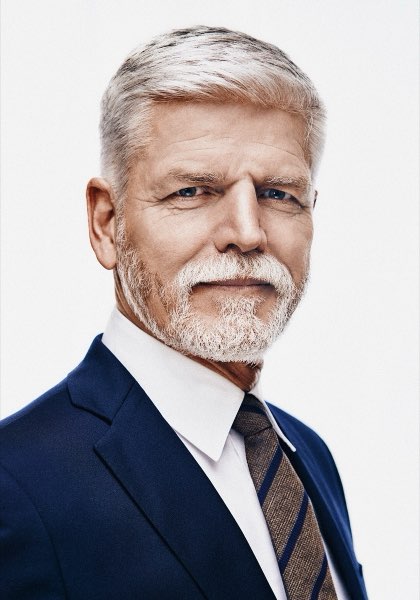
Petr Pavel (born 1 November 1961 in Planá) is the fourth President of the Czech Republic, a retired army general, former Chief of the General Staff of the Czech Armed Forces (2012–2015) and Chair of the NATO Military Committee (2015–2018).…

Person · 1874–1945
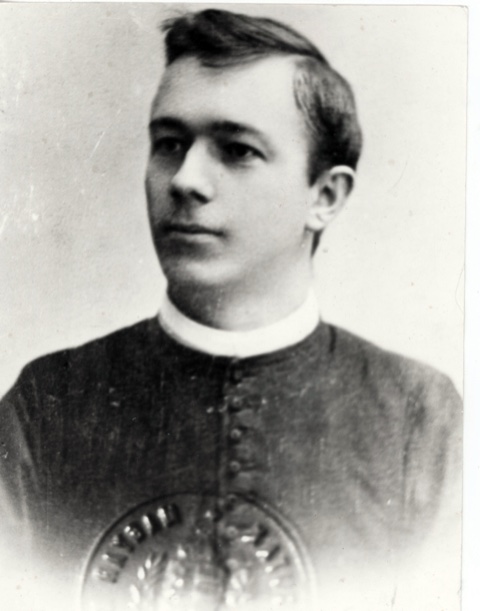
Augustyn Voloshyn (1874–1945) was a Greek Catholic priest, educator and political leader. He declared Carpatho-Ukraine independent on 14 March 1939 and was elected its president the following day. Following Hungarian occupation, he lived…
1939–1990
War and post-war decades

Person · 1895–1979
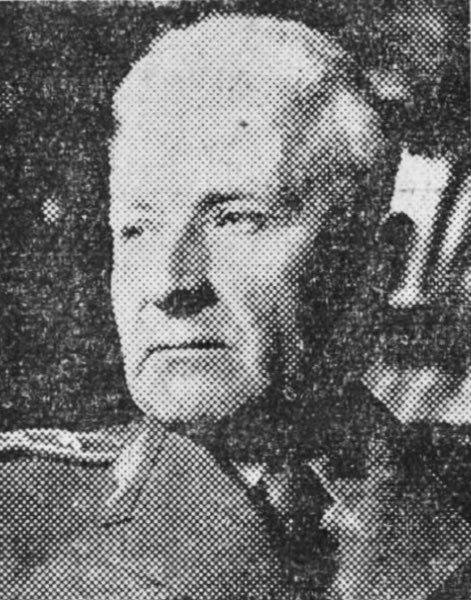
The Czechoslovak general and later president Ludvík Svoboda (1895–1979) commanded the first Czechoslovak battalion in the USSR, which fought at the village of Sokolovo in the Kharkiv region in March 1943. In autumn 1943 the 1st…

Person · 1872–1955
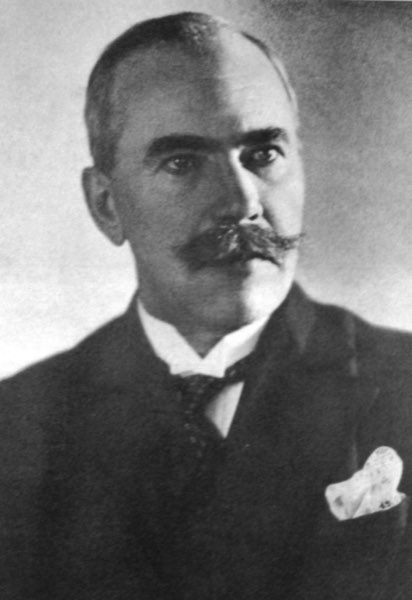
Andrii Yakovliv (1872–1955) was a Ukrainian legal historian and diplomat who settled in Prague in 1923. He joined the Ukrainian Free University as a docent in 1923 and became a professor in 1928 or 1929 (sources differ); he served two…
1920–1938
Interwar Prague

Person · 1882–1952
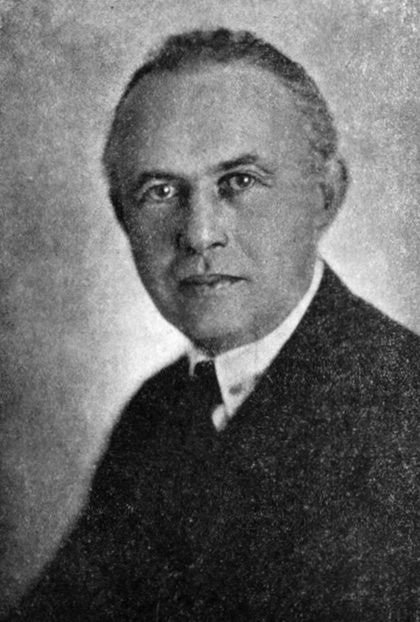
The Czech writer Ivan Olbracht often stayed in Subcarpathian Rus in 1931–1936, settled in Koločava and wrote the reportage Země bez jména (1932), the novel Nikola Šuhaj loupežník (1933) and other works about the region. According to Czech…

Person · 1878–1950
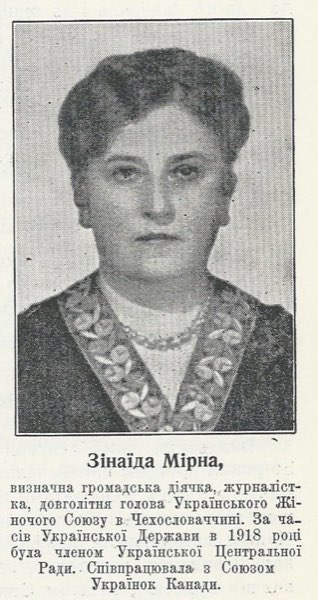
Zinaida Mirna (1875/1878–1950) was a Ukrainian civic leader, member of the Central Rada and an organizer of the women's movement. Based in Prague from 1924, she led émigré assistance activities and helped safeguard Ukrainian museum…
1914–1921
First World War

Person · 1883–1923
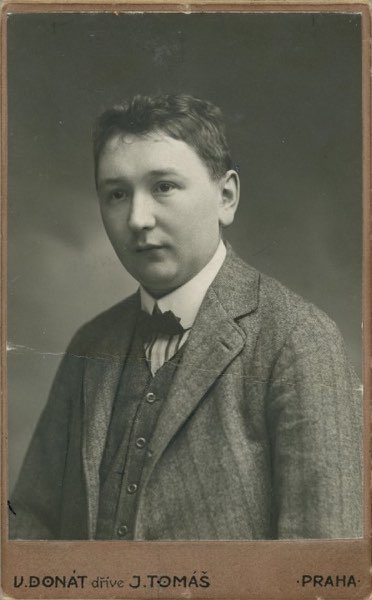
The Czech writer Jaroslav Hašek (1883–1923), author of The Good Soldier Švejk, was captured by the Russians at Chorupany near Dubno in Volhynia on 24 September 1915, joined the Czechoslovak units and lived and worked in Kyiv from 1916 to…

Person · 1856–1916
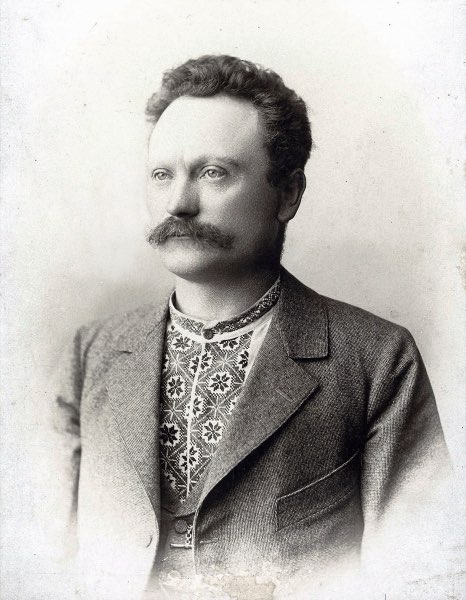
Ivan Franko (1856–1916) visited Prague in May 1891 for a gathering of progressive Slavic students. His surviving letters to Czech ethnographer František Řehoř document exchanges of books and scholarly periodicals, as well as cooperation on…
XIX
National revival

Person · 1831–1908
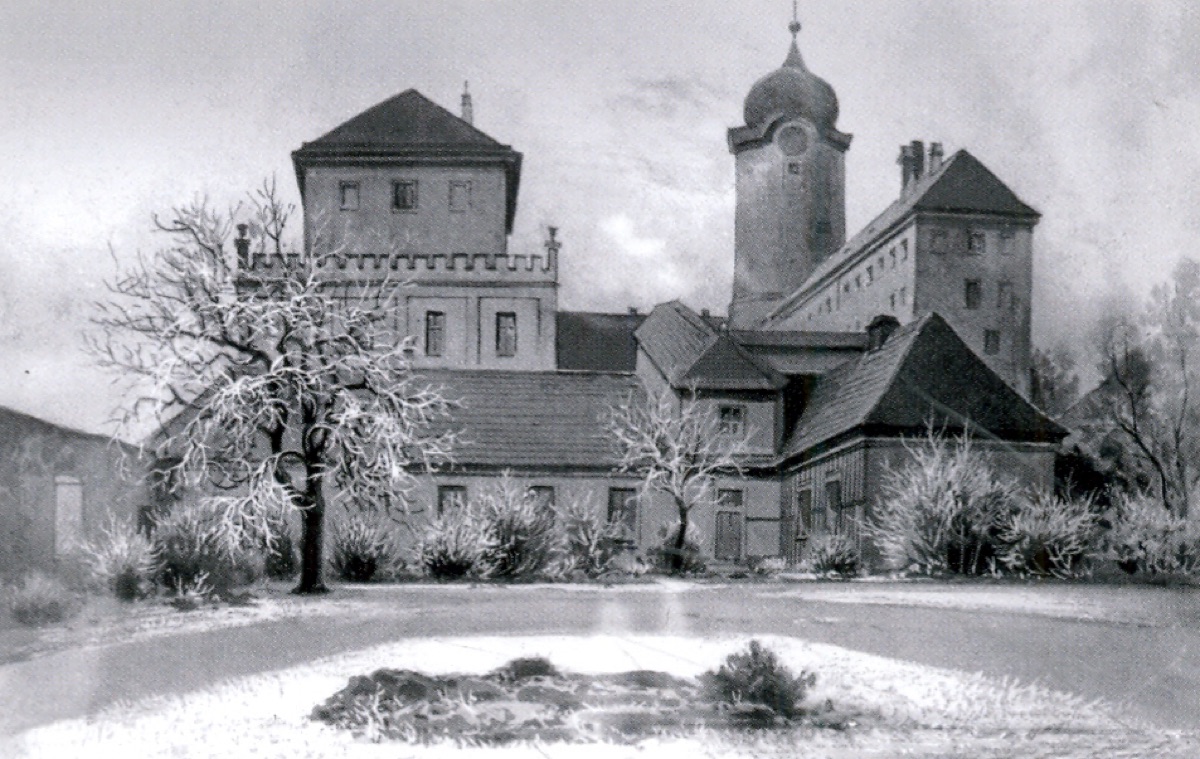
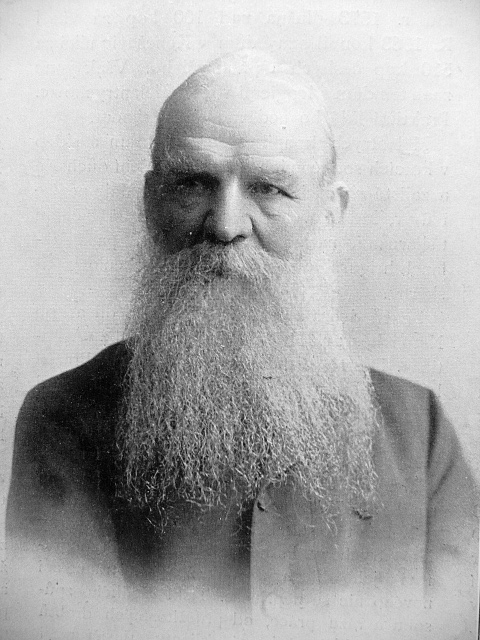
Josef Hlávka (1831–1908) was a Czech architect, builder and patron whose design shaped the Residence of Bukovinian and Dalmatian Metropolitans in Chernivtsi. Constructed between 1864 and 1882, the ensemble now belongs to Chernivtsi…
Every dossier shows its verification level. We never present a hypothesis as fact.