Person · National revival · Ukrainians in Czechia · R0016
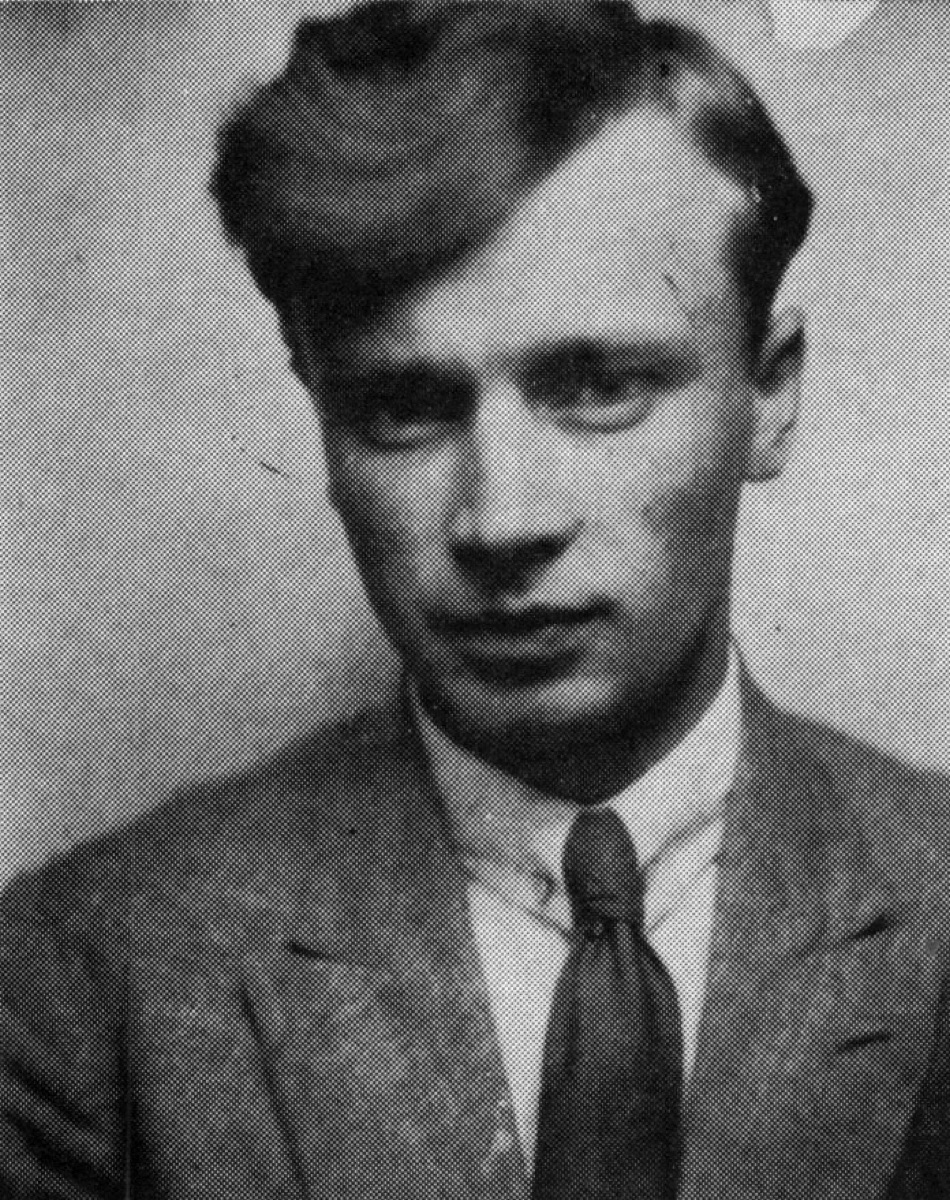
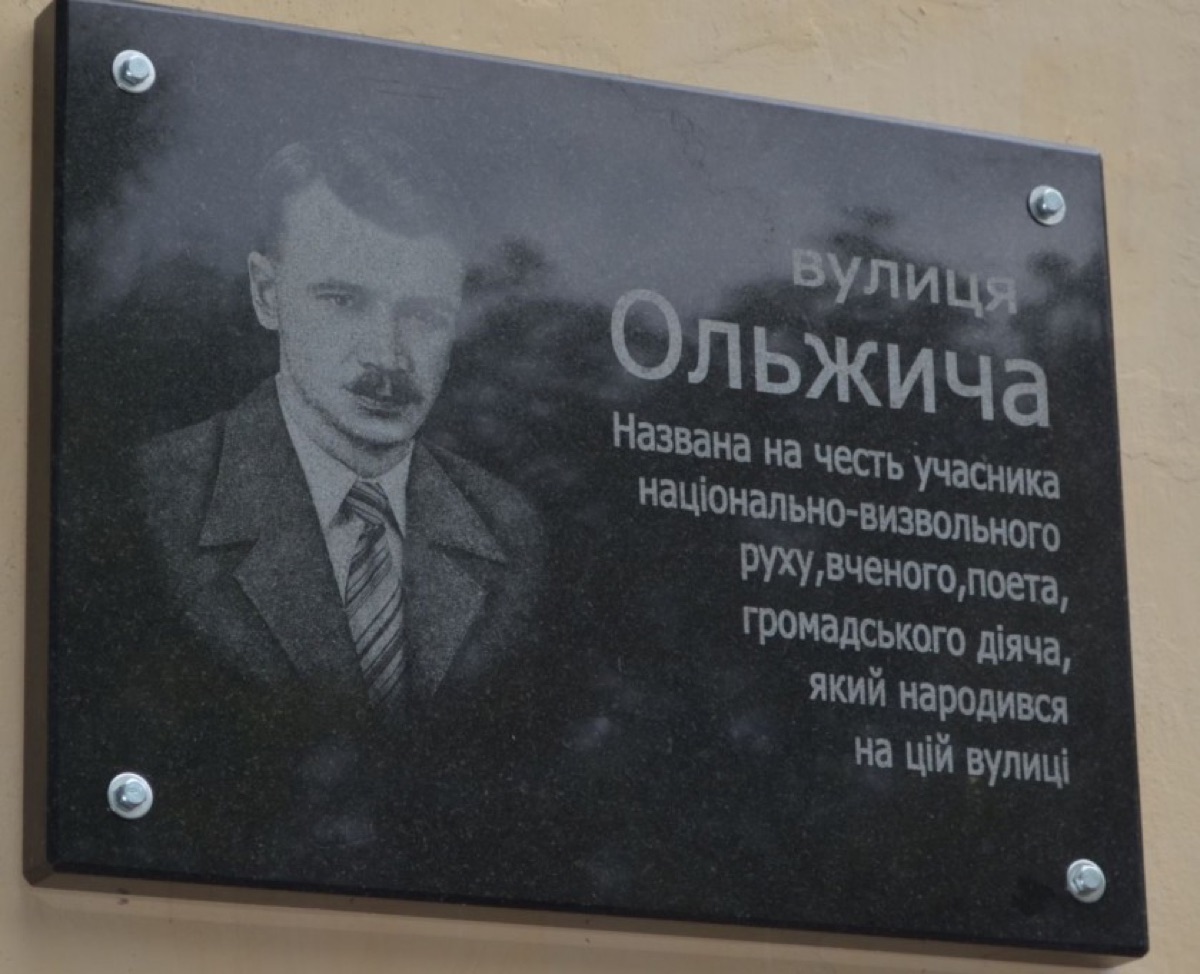
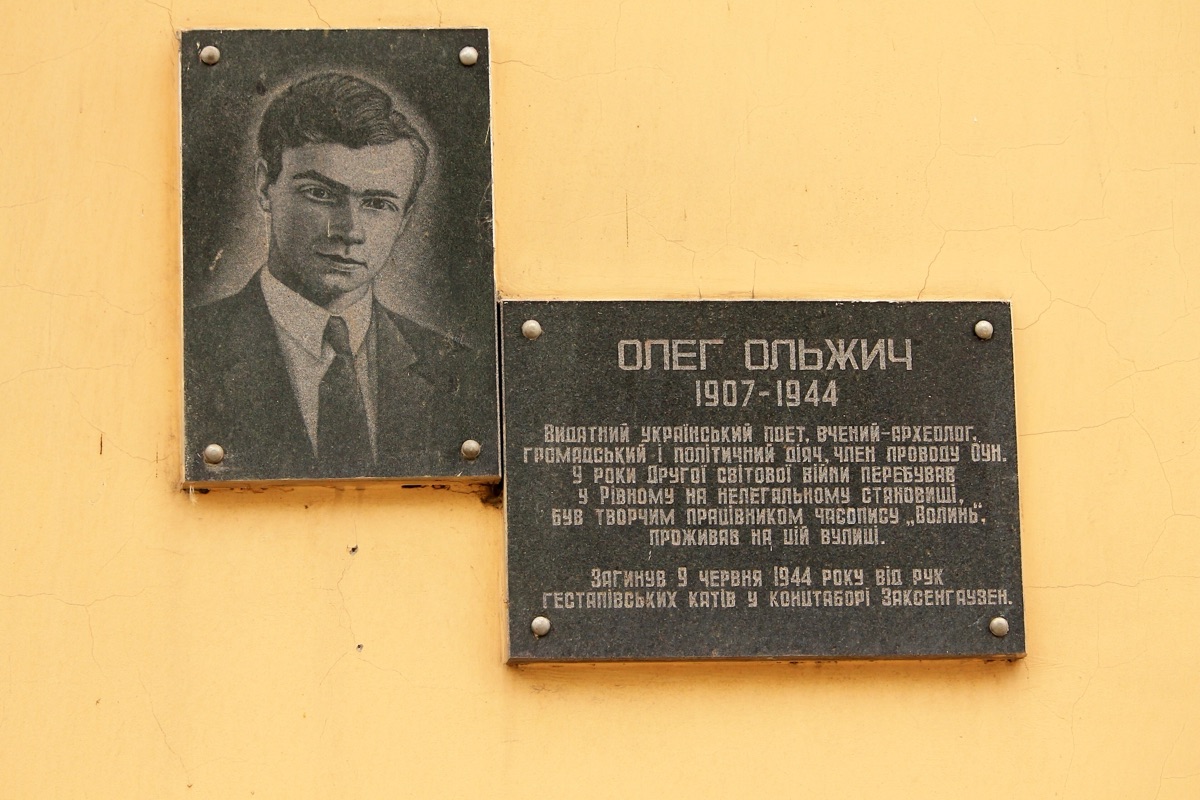
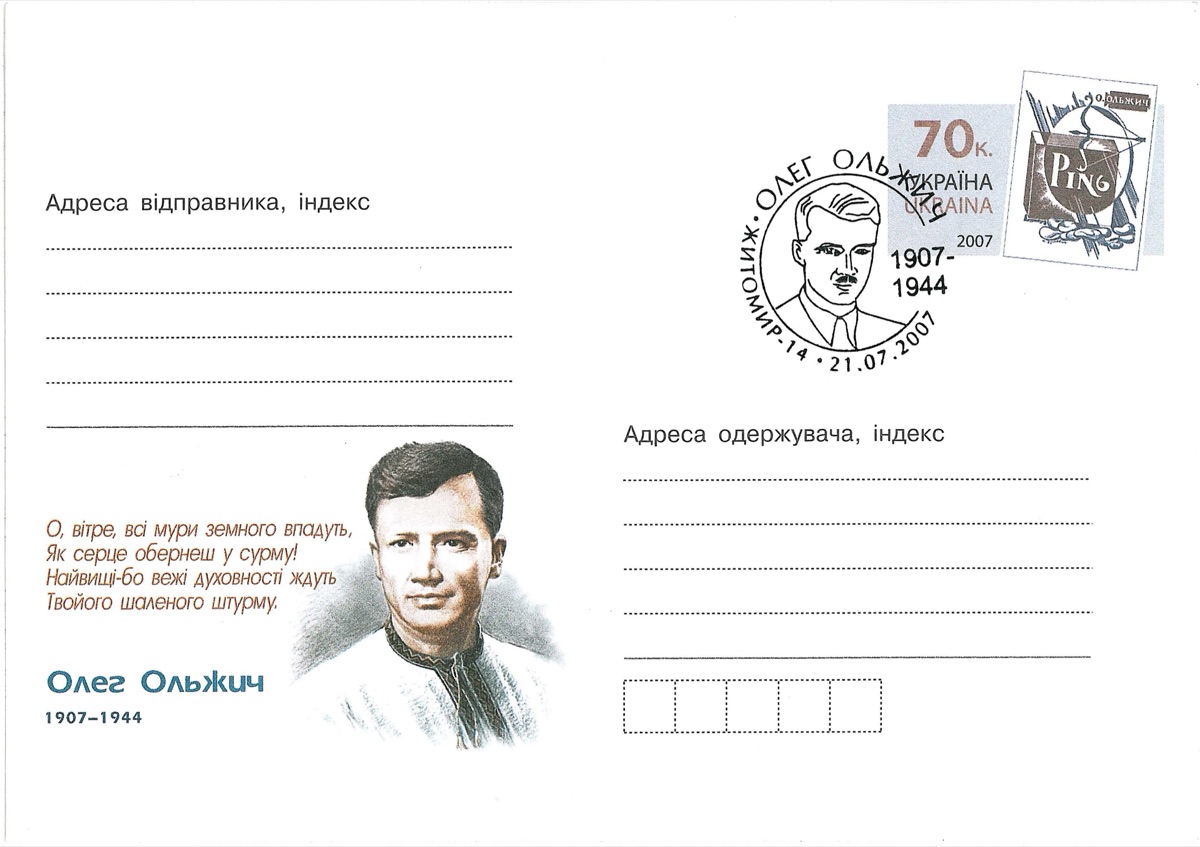
Oleh Olžyč
Олег Ольжич · 1907–1944
Essence
Oleh Olzhych (1907–1944), born Oleh Kandyba, was a Ukrainian poet, archaeologist and political activist, and a son of the poet Oleksandr Oles. Educated in Prague, he completed studies at Charles University and researched Neolithic painted pottery from Galicia. Arrested by the Gestapo in 1944, he died in Sachsenhausen concentration camp.
Timeline
- 1907-07-21Birth in Zhytomyr; ESU gives the date 08(21).07.1907. [OZ01; OZ03; OZ07]
- 1919Diplomatic activity abroad by his father Oleksandr Oles according to the Ukrainian Institute of National Memory; family separation. [OZ03]
- 1923Move with his mother to Berlin and then to Czechoslovakia. [OZ01; OZ07]
- 1920sPreparation for the school-leaving examination and studies at Ukrainian higher education institutions in Prague; the exact course year has not been established. [OZ01]
- 1926According to ESU, entry to the Faculty of Arts at Charles University after a Latin examination. [OZ01]
- 1929Completion of studies at Charles University according to encyclopedic sources. [OZ01; OZ07]
- 1930According to ESU, award of a doctorate for research on Neolithic pottery of Galicia. [OZ01; OZ07; OZ03]
- 1935The poetry collection «Рінь». [OZ01; OZ07]
- 1936 / 1938USA and Harvard: ESU gives a visit and lectures in 1936; historiographical research gives a first visit in 1938 and unconfirmed teaching at Harvard. [OZ01]
- 1937The cultural department of the Leadership of Ukrainian Nationalists. [OZ01; OZ02]
- 1940Publication of the poetry collection «Вежі» in Prague. [OZ01; OZ07]
- 1944-05-25Arrest by the Gestapo in Lviv. [OZ01; OZ03; OZ02]
- 1944-06-09/10Death in Sachsenhausen: IEU — 9 June, ESU — 10 June, Ukrainian Institute of National Memory — the night leading into 10 June; the exact day remains open. [OZ07]
- 2007«Археологія»: Kyiv, 496 pp.; compiled by Yu. Rassamakin and S. Ryzhov according to the NBUV catalogue. [OZ05]
Full research text
The person, pseudonyms and structure of identity
Oleh Olzhych is the literary pseudonym of Oleh Oleksandrovych Kandyba (1907–1944), a Ukrainian poet, archaeologist and participant in the political nationalist movement. In scholarly publications he appeared predominantly as Oleh Kandyba; in literature he became known as Oleh Olzhych, while underground activity involved other names, including Kardash. Searching libraries and archives under only one surname form therefore misses significant material. Canonical code R0016, type Person; he is connected to the previously described poet Oleksandr Oles R0018, his father. [OZ01; OZ02]
His biography has three distinct dimensions that should not be mixed: the formation of a Ukrainian emigrant in Czechoslovakia, professional archaeology, literature and hazardous political activity during the war years. Scholarly achievements cannot automatically be proved by poetic talent, nor can the image of a tragic victim be used for an uncritical description of political organisations. A complete dossier preserves different contexts and shows documented transitions between them. [OZ01; OZ04]
Childhood, emigration and the Kandyba family
ESU gives Oleh's birth in Zhytomyr as 08(21).07.1907; the original birth register entry has not been read in this review. According to the Ukrainian Institute of National Memory, his father Oleksandr Oles worked at the UPR diplomatic mission in Budapest in 1919. In 1923 Oleh arrived with his mother in Berlin and then in Czechoslovakia. The encyclopedic biography confirms this general route, rather than specific residential addresses. [OZ01; OZ03; OZ07]
The Prague milieu gave the young emigrant an opportunity to continue education in his native language and become acquainted with Czech scholarly methods. The family connection with his father was not merely domestic: different generations of the Kandybas experienced the loss of statehood differently, and the legacies of the poet father and archaeologist son formed two channels of Ukrainian cultural communication with Czechoslovakia. However, differences of opinion, family statements and descriptions of relationships must rest on authentic correspondence, without turning later recollections into a transcript of a private conversation. [OZ01; OZ03]
Ukrainian studies in Prague
ESU mentions preparation for the school-leaving examination and studies at Ukrainian higher education institutions in Prague. The sources read do not establish the exact year of these courses or their affiliation with the Ukrainian Civic Committee; the Ukrainian Institute of National Memory page gives neither enrolment nor school-leaving courses in 1924. Alla Atamanenko separately discusses attendance at Ukrainian Free University courses and the question of formal student status; this does not replace an enrolment register. [OZ01; OZ03; OZ06, p. 238]
According to ESU, after an additional Latin examination Oleh Kandyba entered the Faculty of Arts at Charles University in 1926, completed his studies in 1929 and received his doctorate in 1930. The broader period of university studies, 1924–1930, mentioned in Atamanenko's research does not establish enrolment specifically in 1924. Completion of studies in 1929 and award of a degree in 1930 are different events; IEU gives degree 1929 without explicitly designating a doctorate, so we do not create an artificial contradiction here. [OZ01; OZ06, p. 236; OZ07]
His interests were specific: Neolithic painted pottery of Galicia, typological study of ornaments and vessel forms, and comparison of regional finds with Eastern European cultural complexes. For the website author it is especially important to distinguish the academic degree, the dissertation title and the later monograph: these are different Publication objects that must not automatically merge into one record. It is also necessary to trace how Czech specialists influenced the young archaeologist's methods — through archival correspondence, bibliography and curricula, rather than general statements about a “Czech school”. [OZ01; OZ04]
Archaeology: from Galician Podillia to European publications
Field archaeological investigation of sites in Galicia and Podillia became an important part of his scholarly activity. The Encyclopedia of Modern Ukraine mentions collaboration with archaeologist Yaroslav Pasternak, while Lesia Kovalyshyn's specialised article describes the Ternopil direction of research. This allows a reconstruction of scholarly geography: the excavation location, research subject, publication of results, and museum or university holding the material. However, detailed excavation points must come from publications and field diaries; disseminating approximate coordinates as confirmed is unacceptable. [OZ01; OZ04]
Olzhych's scholarly works circulated internationally. His study of the Neolithic culture of Shypyntsi was published as a specialised archaeological monograph. Its title, year and spelling should be checked against a facsimile of the title page, since German words often enter digital reference works with errors. Publications in Ukrainian, German and English provide a more substantial basis for assessing his contribution than general phrases about worldwide recognition. The editor, place of publication, pages and presence of illustrations should be established for each text. [OZ01; OZ05]
The NBUV catalogue describes the collection «Археологія»: Kyiv, Vydavnytstvo im. Oleny Telihy, 2007, 496 pp., illustrated; compiled by Yu. Rassamakin and S. Ryzhov, ISBN 978-966-355-000-8. This is a bibliographically confirmed edition for further reading. The catalogue was read in this review, rather than the title page or the entire collection; the individual articles and their first publications still require comparison of their content. [OZ05]
Poetry and the formation of a literary voice
The collections «Рінь» (1935) and «Вежі» (1940) mark the pre-war and wartime stages of Olzhych's literary biography. ESU calls the posthumous collection of 1946 «Підзамча», whereas the dossier previously used «Підзамчя»; without a read title page its exact form is not certified here. Motifs of stone, archaeological layers and the past may be a subject for literary analysis but do not prove that a particular poem was written at a specific excavation. [OZ01; OZ07]
Emigrant periodicals, reviews and collections should be assembled as complete Publication records: year, place of publication, publisher, language and exact title. Literary originals should not automatically be placed in the website's open library without checking copyright and available licences. Instead, bibliography, publication history and original short annotations can be shown. [OZ01; OZ06]
Political activity and death in 1944
According to IEU, he joined the OUN as early as 1929; ESU and NBUV give 1937 as the year he headed the cultural referentura of the Leadership of Ukrainian Nationalists. [OZ07] The encyclopedia notes his cultural and educational functions and, during the Second World War, participation in the underground of the Melnyk wing of the OUN. A historical account must consider internal conflicts in the Ukrainian nationalist movement, Nazi Germany's occupation policies and the political complexity of the struggle for independence. The term “underground” itself does not remove the need to verify particular actions, orders, organisational roles and events. [OZ01]
On 25 May 1944, the Gestapo arrested Olzhych in Lviv; he subsequently died in Sachsenhausen. IEU gives 9 June, ESU 10 June 1944, and the Ukrainian Institute of National Memory the night leading into 10 June. The night-time dating is the institute's version, rather than an automatic reconciliation of two different dates. The exact day remains open; the original camp record has not been read in this review. [OZ01; OZ03, item 13; OZ07]
Connections
- Oleksandr Oles · Person · 1907–1944
- Ukrainian Free University · Organisation · 1920s
- Ukrainian Civic Committee in Czechoslovakia · Organisation · 1920s; exact year not established
- Olšany Cemeteries · Place · 1944–2017
Mentioned in dossiers
Further reading about this person
A catalogue confirms the bibliographic record. It does not mean that every dossier claim has been checked against the book’s full text.
-
Anthology
Поети Празької школи. Срібні сурми
Упорядник Микола Ільницький
Смолоскип · 2009 · ISBN 978-966-2164-02-2
Chapter / pages: {'toc_start_page': 435, 'claim_page_verified': False}
Bibliographic record confirmed · Record checked 2026-11-02
Catalogue or publisher record ↗Text reading not documented
-
Works by this person
Археологія
Олег Ольжич; упорядники Юрій Рассамакін, Сергій Рижов
Видавництво імені Олени Теліги · 2007 · ISBN 978-966-355-000-8
Bibliographic record confirmed · Record checked 2026-11-02
Catalogue or publisher record ↗Text reading not documented
Sources
- OZ01 M. M. Ilnytskyi. «Ольжич Олег», ESU, 2022; online revision December 2025. The article, bibliography and author information were read. Gives entry in 1926, completion of studies in 1929 and degree in 1930; the USA/Harvard 1936 and death on 10 June versions were compared with differing sources. Original student and camp documents have not been read. esu.com.ua
- OZ02 NBUV. «Народився Олег Ольжич». The short calendar biography was read. The page explicitly states that it is based on material from the Ukrainian Institute of National Memory, so it depends on OZ03 and is not a second independent confirmation. nbuv.gov.ua
- OZ03 Ukrainian Institute of National Memory. «1907 — народився Олег Ольжич, поет». The introduction and 14 biographical facts were read, rather than the poetry quotations: item 3 — the father's diplomatic activity in 1919; item 5 — a degree before age 23 without an exact year; item 8 — Harvard without a year; item 13 — arrest and the night leading into 10 June. This page gives no dates for school-leaving courses or enrolment in 1924. uinp.gov.ua
- OZ04 Lesia Kovalyshyn. «Археологічні дослідження О. Кандиби-Ольжича на Тернопільщині», «Збірник праць Тернопільського осередку НТШ», vol. 1. Ternopil: Rada, 2004, pp. 276–281, ISBN 966-8818-00-8. Repository metadata and links and selected PDF text on pp. 276–278 (PDF 1–3) were read, rather than all 6 pages or the cited archival originals. PDF: https://elartu.tntu.edu.ua/bitstream/123456789/13888/2/ProcNTShTB_2004v1_Kovalishin_L-Arkheolohichni_doslidzhennia_276-281.pdf elartu.tntu.edu.ua
- OZ05 NBUV, Ukrainika, catalogue: O. O. Olzhych, «Археологія»; compiled by Yu. Rassamakin, S. Ryzhov. Kyiv: Vydavnytstvo im. Oleny Telihy, 2007, 496 pp., illustrated, ISBN 978-966-355-000-8. The bibliographic description was read; the title page and complete text of the 496-page book have not been read. irbis-nbuv.gov.ua
- OZ06 Alla Atamanenko. «Роль Любомира Винара у дослідженні постаті Олега Кандиби (О. Ольжича)», «Наукові записки НаУ „Острозька академія“. Історичні науки», issue 27, 2018, pp. 232–241. The repository description and selected text on pp. 234–239 (PDF 3–8) and bibliography on pp. 240–241 (PDF 9–10) were read, rather than the entire article. Pp. 237–239 reject the USA 1936 version, give a first visit in 1938 and a lack of confirmation of teaching at Harvard. The documents cited by Vynar have not been read directly. PDF: https://eprints.oa.edu.ua/id/eprint/6882/1/37.pdf eprints.oa.edu.ua
- OZ07 Marko Robert Stech, Danylo Husar Struk. “Olzhych, Oleh”, Internet Encyclopedia of Ukraine, revision 2014. The short article was read in full: death on 9 June 1944; university degree 1929 without explicitly designating a doctorate; participation in an expedition organised by Harvard, rather than a claim of Harvard lectures. encyclopediaofukraine.com
- OZ08 Alla Atamanenko (the author identified on the page). «Олег Кандиба і Український науковий інститут в Америці: 1937–1939», Ostroh Academy scholarly blog, 21.08.2009. The opening and note 6 were read, rather than the full text or archival originals. The same Vynar—Atamanenko research line as OZ06; not a second independent origin. naub.org.ua
Photos and videos
Verification
Two sources (automatic score)
Automatic evidence score: key facts rest on at least two independent sources. No person has yet read the whole dossier.
- Automatic evidence score: 68 points (threshold 40).
- Independent fact check of every statement against primary sources (3 November 2026).
Evidence coverage
Timeline claims assessed: 14 / 14. Claims with verified contradictions: 2.
The score measures coverage of timeline claims by verified sources, not the probability of historical truth. One independent source gives a claim 0.5 points; two or more give 1 point. A disputed claim receives 0. Unassessed claims remain in the denominator.
evidence-v1 · 2026-11-03
How the score is calculated
Each claim shows its contribution to the score and verified current sources. Multiple references may share an origin; context adds no points.
-
1907-07-21
Birth in Zhytomyr; ESU gives the date 08(21).07.1907.
Assessed Contribution: 1.0 / 1Independent source origins: 3
Report this claim -
1919
Diplomatic activity abroad by his father Oleksandr Oles according to the Ukrainian Institute of National Memory; family separation.
Assessed Contribution: 0.5 / 1Independent source origins: 1
- OZ03 — supports the claim
-
1923
Move with his mother to Berlin and then to Czechoslovakia.
Assessed Contribution: 1.0 / 1Independent source origins: 2
Report this claim -
1920s
Preparation for the school-leaving examination and studies at Ukrainian higher education institutions in Prague; the exact course year has not been established.
Assessed Contribution: 0.5 / 1Independent source origins: 1
- OZ01 — supports the claim
-
1926
According to ESU, entry to the Faculty of Arts at Charles University after a Latin examination.
Assessed Contribution: 0.5 / 1Independent source origins: 1
- OZ01 — supports the claim
-
1929
Completion of studies at Charles University according to encyclopedic sources.
Assessed Contribution: 1.0 / 1Independent source origins: 2
Report this claim -
1930
According to ESU, award of a doctorate for research on Neolithic pottery of Galicia.
Assessed Contribution: 1.0 / 1Independent source origins: 3
Report this claim -
1935
The poetry collection «Рінь».
Assessed Contribution: 1.0 / 1Independent source origins: 2
Report this claim -
1936 / 1938
USA and Harvard: ESU gives a visit and lectures in 1936; historiographical research gives a first visit in 1938 and unconfirmed teaching at Harvard.
Sources contradict one another Contribution: 0.0 / 1Independent source origins: 1
Report this claim -
1937
The cultural department of the Leadership of Ukrainian Nationalists.
Assessed Contribution: 1.0 / 1Independent source origins: 2
Report this claim -
1940
Publication of the poetry collection «Вежі» in Prague.
Assessed Contribution: 1.0 / 1Independent source origins: 2
Report this claim -
1944-05-25
Arrest by the Gestapo in Lviv.
Assessed Contribution: 1.0 / 1Independent source origins: 2
Report this claim -
1944-06-09/10
Death in Sachsenhausen: IEU — 9 June, ESU — 10 June, Ukrainian Institute of National Memory — the night leading into 10 June; the exact day remains open.
Sources contradict one another Contribution: 0.0 / 1Independent source origins: 1
Report this claim -
2007
«Археологія»: Kyiv, 496 pp.; compiled by Yu. Rassamakin and S. Ryzhov according to the NBUV catalogue.
Assessed Contribution: 0.0 / 1Independent source origins: 0
Verified current support has not been established. This does not mean the claim is false.
Report this claim
2026-11-03
How we verify
- DraftResearch draft with sources; independent check still pending.
- Checked automaticallyQuotes mechanically matched to sources; an independent model found no contradictions.
- Two sources (automatic score)Automatic evidence score: key facts rest on at least two independent sources. No person has yet read the whole dossier.
- Confirmed by an editorAn editor confirmed the dossier; the reason is shown on the page. This is not an independent scholarly review.
- Disputed pointsSources disagree; disputed points are marked in the text.
Report an error or add information
Your message goes to the editorial queue. AI pre-sorts it, a human decides.