70
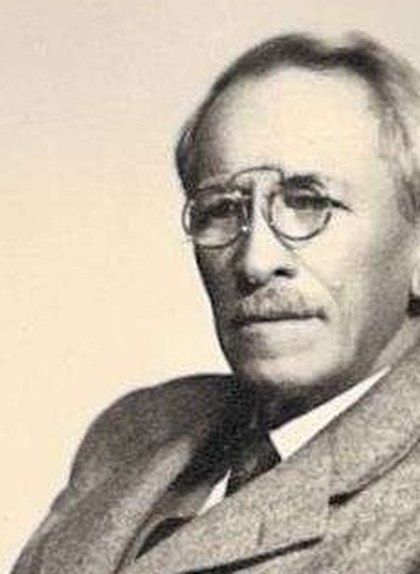
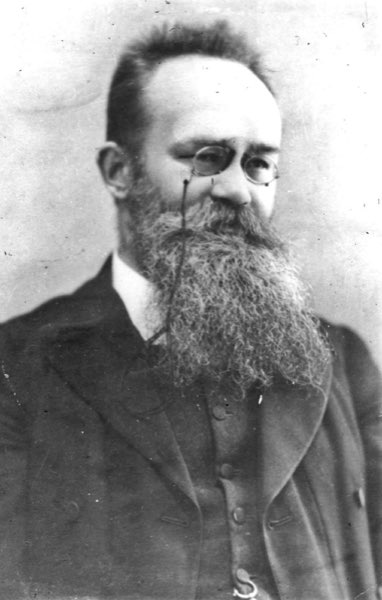
Person · 1856–1916
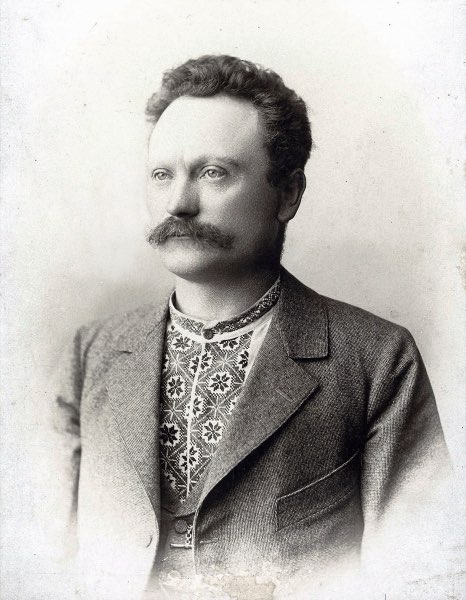
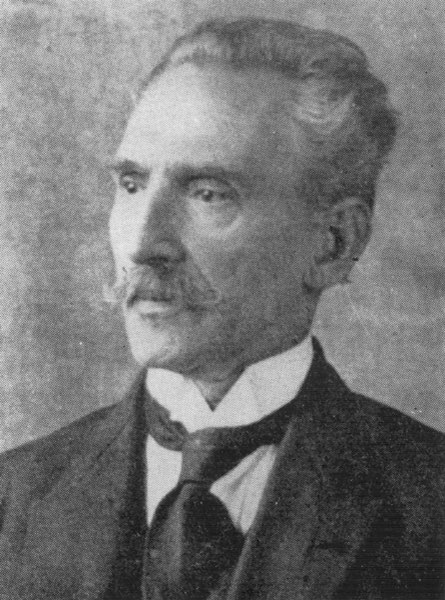
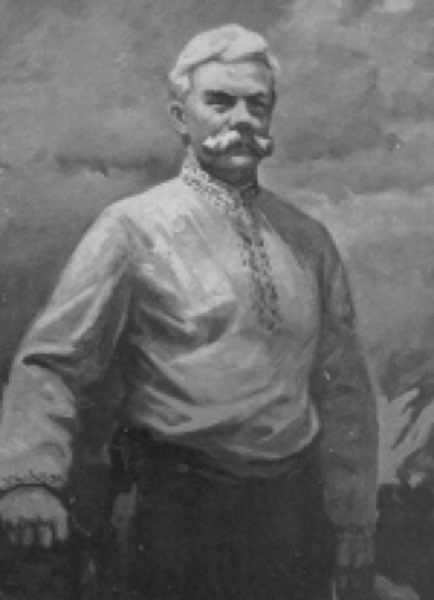
Ivan Franko (1856–1916) visited Prague in May 1891 for a gathering of progressive Slavic students. His surviving letters to Czech ethnographer František Řehoř document exchanges of books and scholarly periodicals, as well as cooperation on…
83
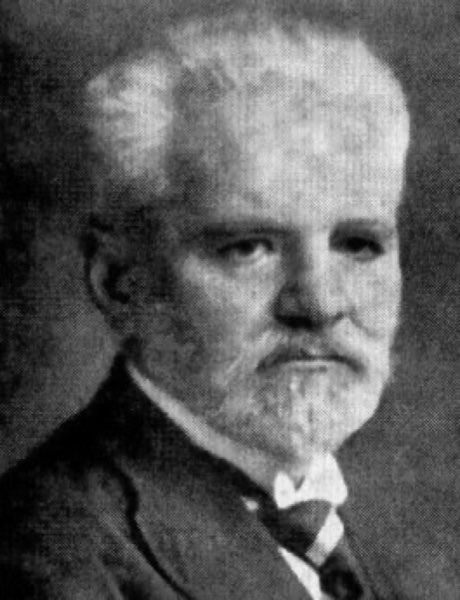
Person · 1857–1910
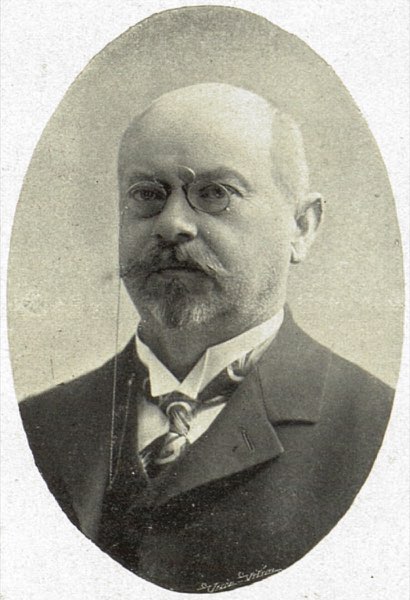
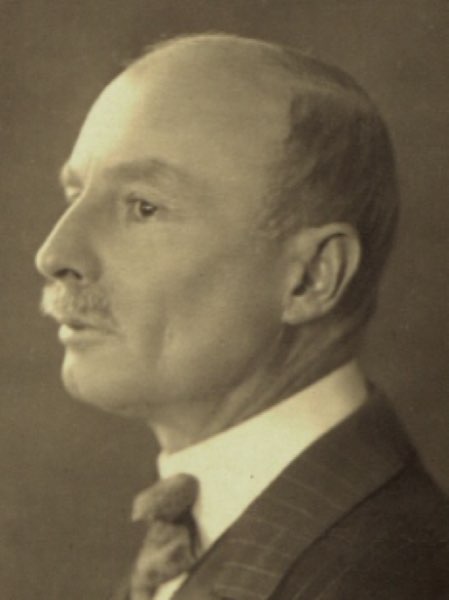
Josef Křivánek (1857–1910), a Czech engineer from Hořovice, became a leading figure in the development of a major machine-building works in Kyiv's Shuliavka district. The original plant had been established in 1882 by Jacob Grether and…
38
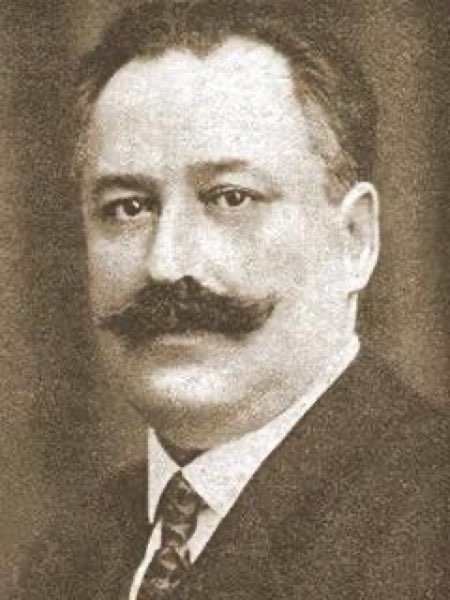
Person · 1870–1961
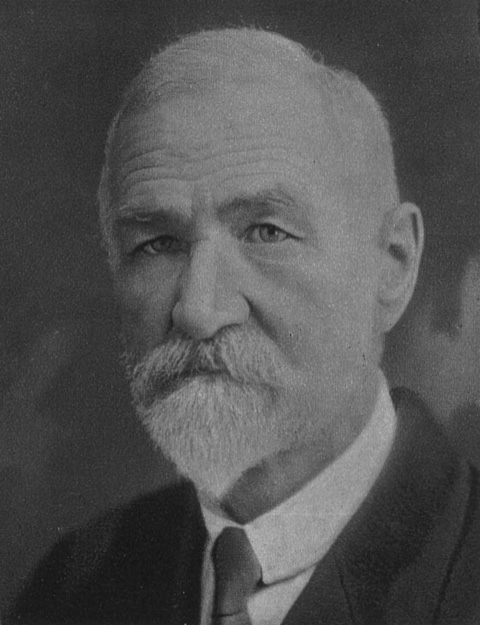
Tomáš Nejedlý (1870–1961) was a Czech businessman from Hořovice who moved to Kyiv in 1890 to work in the industrial enterprise of his uncle, Josef Křivánek. In 1898 he co-founded the Nejedlý & Ungermann foundry in the Shuliavka district.…
—
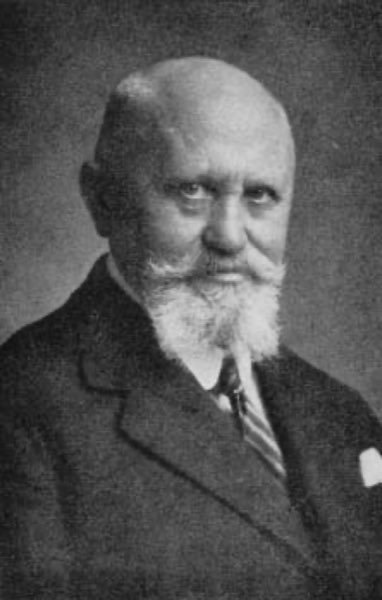
Person · 1855–1937
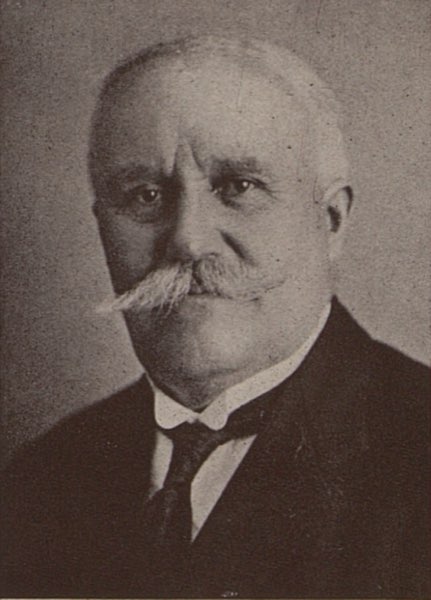
The Czech conductor, composer and teacher Josef Přibík conducted at opera theatres in Kharkiv, Lviv and Kyiv and, from 1894, in Odesa, where he became a conservatory professor in 1919. According to the Encyclopedia of Modern Ukraine he…
—
Person · 1872–1945
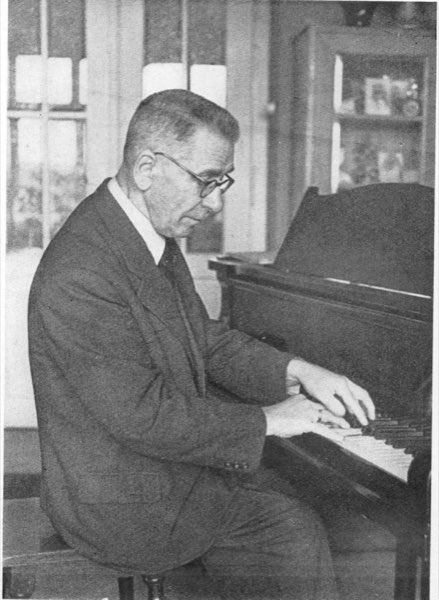
The Czech pianist and teacher Vilém Kurz moved to Lviv in 1898 at the invitation of the Galician Music Society and taught at its conservatory until 1919; Ukrainian pianists were among his students. He later worked in Brno and Prague, where…
—
Person · 1865–1944
The Czech archaeologist, Slavist and ethnologist Lubor Niederle, author of Slavic Antiquities, according to the Encyclopedia of Modern Ukraine proposed the Vistula-Dnieper theory of the Slavic homeland, visited Kyiv in 1893 and 1899 and…
—
Person · 1875–1954
Václav Girsa was born in Shepetivka into a family of Volhynian Czechs, studied in Kamianets-Podilskyi and from 1902 or 1903 worked as a physician in Kyiv. During the First World War he was a member of the Kyiv Czech Committee, set up a…
—
Person · 1857–1924
The businessman Jindřich Jindříšek worked in Kyiv from the early 1880s, where he opened a music-instrument shop, chaired the Czech Jan Amos Komenský society and the Kyiv Czech committee and supported the Czechoslovak movement. After the…
—
Person · 1874–1967
Josef Girsa was born in Shepetivka into a Czech family and until 1917 managed estates and enterprises in the Russian Empire, including in the Podolia, Kyiv and Chernihiv governorates. On 28 June 1921 he headed the Czechoslovak trade…
—
Person · 1883–1923
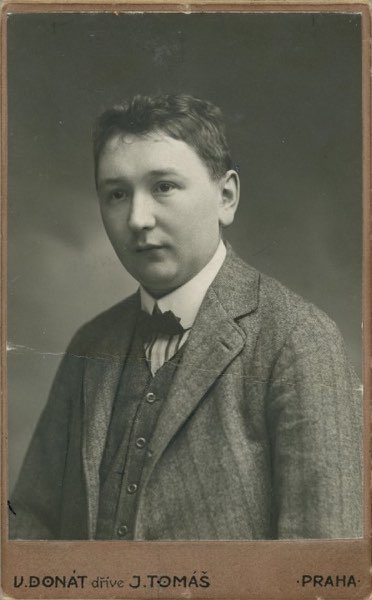
The Czech writer Jaroslav Hašek (1883–1923), author of The Good Soldier Švejk, was captured by the Russians at Chorupany near Dubno in Volhynia on 24 September 1915, joined the Czechoslovak units and lived and worked in Kyiv from 1916 to…
—
Person · 1845–1918
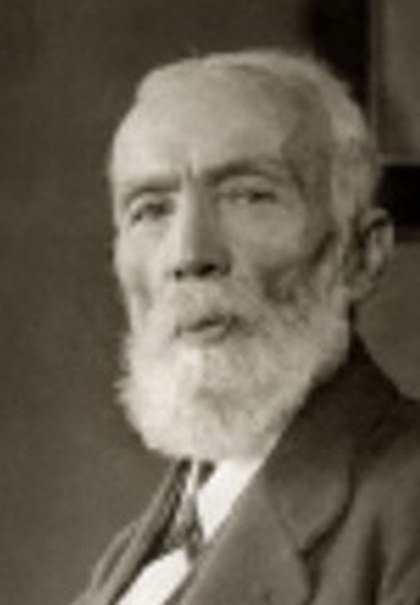
Ivan Puluj (1845–1918), a physicist and electrical engineer of Ukrainian origin, spent the final decades of his career in Prague. He served as rector of the German Technical University in 1888/89, contributed to electrical engineering and…
—
Person · 1854–1942
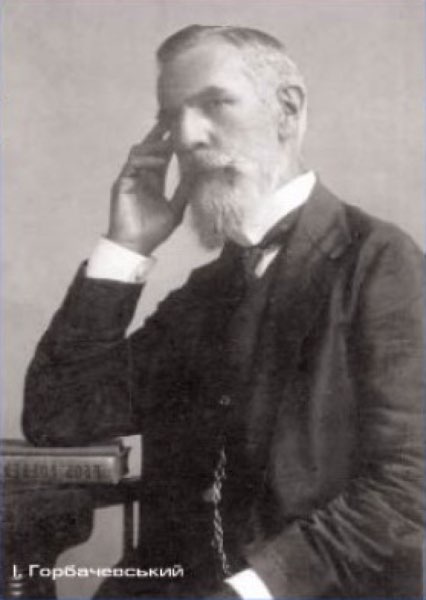
Ivan Horbaczewski (1854–1942) was a Ukrainian-born chemist and physician whose academic career shaped medical chemistry in Prague. He served as rector of the Czech university in 1902/03, conducted important research on uric acid and later…
38
Person · 1882–1932
Mykyta Shapoval (1882–1932) helped build Ukrainian educational and research institutions in interwar Czechoslovakia. He headed the Ukrainian Civic Committee in Prague, supported new schools in Prague and Poděbrady, and founded a Ukrainian…
66
Person · 1872–1955
Andrii Yakovliv (1872–1955) was a Ukrainian legal historian and diplomat who settled in Prague in 1923. He joined the Ukrainian Free University as a docent in 1923 and became a professor in 1928 or 1929 (sources differ); he served two…
—
Person · 1856–1940
Sofiia Rusova (1856–1940) was a Ukrainian educator, writer and women's rights organizer. In interwar Czechoslovakia she taught at Ukrainian educational institutions in Prague and Poděbrady and contributed to care initiatives for émigré…
69
Person · 1849–1936
Fedir Shcherbyna (1849–1936) was a statistician and historian of the Kuban region who taught in Ukrainian émigré universities in Czechoslovakia. He served as rector of the Ukrainian Free University in Prague in 1924–1925 and taught…
35
Person · 1874–1935
Vasyl Bidnov (1874–1935) was a Ukrainian church historian and archivist. From 1922 he taught at the Ukrainian Free University in Prague and worked in Ukrainian institutions in Poděbrady. Sources date his move to Warsaw to 1928 or 1929; a…
76
Person · 1883–1943
Oleksander Mytsiuk (1883–1943) was a Ukrainian economist, politician and academic in Czechoslovakia. Following his service in the Ukrainian National Republic, he taught at the Ukrainian Husbandry Academy in Poděbrady and the Ukrainian Free…
63
Person · 1874–1945
Augustyn Voloshyn (1874–1945) was a Greek Catholic priest, educator and political leader. He declared Carpatho-Ukraine independent on 14 March 1939 and was elected its president the following day. Following Hungarian occupation, he lived…
38
Person · 1894–1926
Yurii Darahan (1894–1926) was a Ukrainian poet and officer of the Ukrainian People's Republic army. After internment in Poland he joined the literary community of Prague and Poděbrady and published his only lifetime poetry collection…
63
Person · 1899–1970
Oleksa Stefanovych (1899–1970) was a Ukrainian émigré poet who studied and published in interwar Prague. His writing combines Volhynian memory, Christian imagery and historical reflection. The imprint date of his collection Stephanos I…
33
Person · 1876–1940
Spyrydon Cherkasenko (1876–1940) was a Ukrainian writer, playwright and educator. After working in Ukraine and Vienna, he developed educational theater and youth literature in interwar Uzhhorod, then part of Czechoslovakia. He later lived…
36
Person · 1888–1966
Natalena Koroleva (1888–1966) was a Ukrainian writer of historical and mythological prose. Encyclopedic biographies date her Prague diplomatic period to 1919; the preface to a 2003 bibliographical guide places her arrival in early 1920.…
33
Person · 1897–1968
Yevhen Malaniuk (1897–1968), a Ukrainian poet and former officer of the Ukrainian People's Republic army, studied at the Ukrainian Husbandry Academy in Poděbrady during the 1920s. His debut collection, Stylet i stylos, was published there…
68
Person · 1907–1944
Oleh Olzhych (1907–1944), born Oleh Kandyba, was a Ukrainian poet, archaeologist and political activist, and a son of the poet Oleksandr Oles. Educated in Prague, he completed studies at Charles University and researched Neolithic painted…
37
Person · 1906–1942
Olena Teliha (1906–1942) was a Ukrainian poet whose intellectual formation took place in interwar Czechoslovakia. She lived mainly in Poděbrady, studied in Prague, and participated in émigré cultural life. Later she worked in Nazi-occupied…
38
Person · 1878–1944
Oleksandr Oles (1878–1944), born Oleksandr Kandyba, was a Ukrainian poet and playwright whose Prague residence began in 1923 or 1924 according to conflicting sources, and continued until his death. His émigré writings combined lyric poetry…
89
Person · 1877–1945
Dmytro Antonovych (1877–1945) was a Ukrainian art historian, educator and political figure whose career linked Kyiv, Vienna and Prague. In Prague he taught and served as rector of the Ukrainian Free University, helped establish a Ukrainian…
83
Person · 1882–1951
Dmytro Doroshenko (1882–1951) was a Ukrainian historian, diplomat, and university lecturer. He taught at the Ukrainian Free University and at Charles University in Prague, co-founded the Ukrainian Historical and Philological Society in…
32
Person · 1859–1938
Stepan Smal-Stotsky (1859–1938) was a Ukrainian linguist, educator and public figure from Bukovyna. He represented West Ukrainian interests, taught at the Ukrainian Free University in Prague and supported the Museum of Ukraine's Struggle…
38
Person · 1867–1945
Oleksander Kolessa (1867–1945) was a Ukrainian philologist, literary historian, and organizer of émigré scholarship in Prague. He served multiple terms as rector of the Ukrainian Free University and maintained documented scholarly contacts…
60
Person · 1870–1935
Stanyslav Dnistriansky (1870–1935) was a Ukrainian jurist and university professor who helped establish the Ukrainian Free University and served as its rector in 1922–23. His work ranged from civil-law theory to two distinct constitutional…
58
Person · 1850–1937
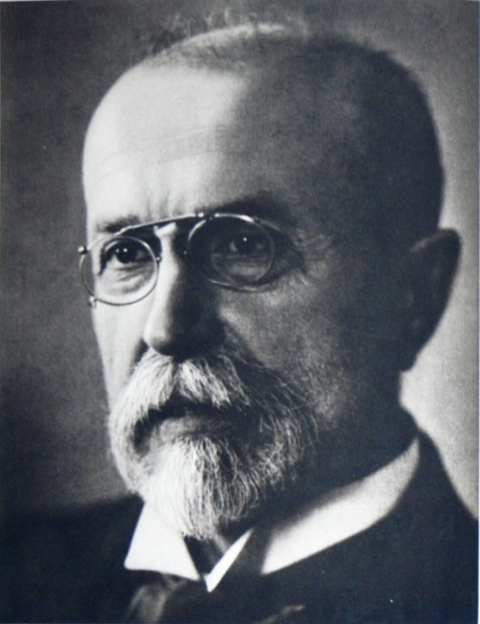
Tomáš Garrigue Masaryk (1850–1937), Czechoslovakia's first president, supported an interwar relief policy that also benefited Ukrainian émigrés. Prague and Poděbrady became important centers of Ukrainian higher education. The president's…
82
Person · 1884–1948
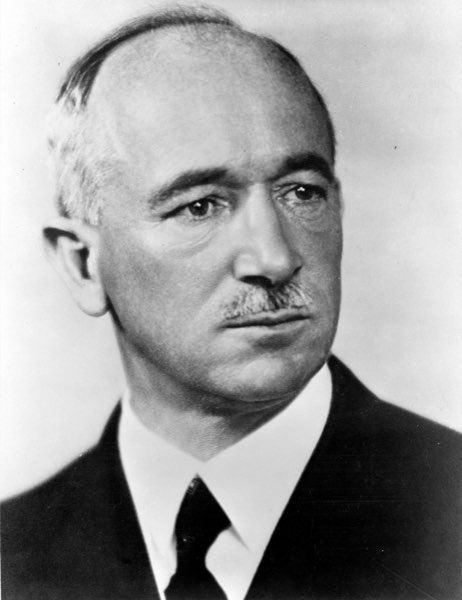
Edvard Beneš (1884–1948) was a Czechoslovak diplomat and president whose policies shaped the status of Subcarpathian Rus' and post-war Transcarpathia. He contributed to Czechoslovak state-building after 1918 and became president in 1935.…
92
Person · 1850–1914
Born in Bohemia, Čeněk Chvojka (1850–1914), also known as Vikentiy Khvoyka, moved to Kyiv in 1876. He later became a pioneering archaeologist in the Dnipro region, contributing to the study of prehistoric sites and the foundation of Kyiv's…
67
Person · 1868–1945
Maksym Slavinsky (1868–1945) was a Ukrainian journalist, translator and diplomat who headed the Ukrainian People's Republic mission in Prague from 1919 to 1923. He subsequently taught at Ukrainian émigré institutions. Arrested in Prague in…
32
Person · 1872–1959
Stepan Siropolko (1872–1959) was a Ukrainian educator, education historian and bibliographer. In interwar Prague he taught at the Ukrainian Pedagogical Institute, helped organize a society of Ukrainian book lovers and edited the journal…
83
Person · 1878–1950
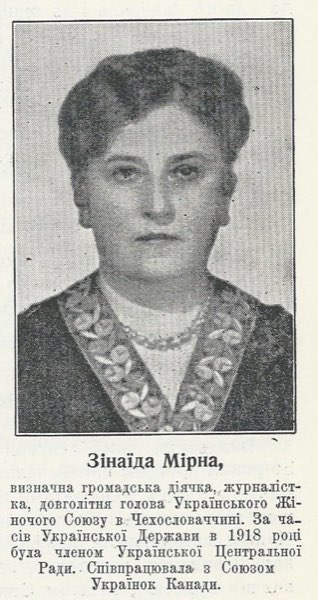
Zinaida Mirna (1875/1878–1950) was a Ukrainian civic leader, member of the Central Rada and an organizer of the women's movement. Based in Prague from 1924, she led émigré assistance activities and helped safeguard Ukrainian museum…
82
Person · 1874–1943
Ivan Shovheniv (1874–1943) was a Ukrainian hydraulic engineer and water-management specialist who became the first rector of the Ukrainian Husbandry Academy, founded in Poděbrady in 1922. The academy initially operated in a hotel before…
79
Person · 1878–1953
Borys Ivanytsky (1878–1953) was a Ukrainian forestry scholar and educator associated with the Ukrainian Husbandry Academy in Poděbrady. His teaching and publications connected practical forestry with Ukrainian-language professional…
—
Person · 1881–1950
Serhii Tymoshenko (1881–1950) was a Ukrainian architect, educator, and public figure. During the 1920s he taught at the Ukrainian Husbandry Academy in Poděbrady and helped develop Ukrainian art education in Prague. Sources differ on the…
—
Person · 1866–1934
Mykhailo Hrushevsky (1866–1934) was a Ukrainian historian and chairman of the Ukrainian Central Rada. His 1919–1924 exile connected him to Central European intellectual networks. A letter from Vienna dated 7 May 1923 to the poet Oleksandr…
Organisation · 1919–1945
The Ukrainian Academic Hromada began in Prague in 1919 as a student association and adopted its later name in 1920. It connected Ukrainian students across educational institutions, supported their cultural life, and published student…
Organisation · 1908–2026
Chas was a Ukrainian publishing house established in Kyiv in 1908. A Prague branch operated from 1919 under the initiative of Vasyl Koroliv-Staryi, issuing multilingual materials and imprints bearing Kyiv–Prague publication data. Its…
Organisation · 1918–2026
Vsesvit was a Ukrainian cooperative publishing initiative established in Prague in 1919. A documented imprint is Dmytro Doroshenko's Hungarian Ukraine (Prague: Vsesvit, 1919), number one in an informational series. A Kyiv archival…
Organisation · 1918–2022
The Ukrainian People's Republic operated an extraordinary diplomatic mission in Prague from 1919 to 1923, headed by Maksym Slavinsky. Its work included correspondence, identity documents and economic negotiations, including an oil-supply…
Organisation · 1902–1941
“Ukrainian Student Community of Prague” is a provisional research label. Archival fonds 4032 documents a “Ukrainian Hromada” society in 1902–1908, including records of aid to students. Its identity must not be conflated with the Ukrainian…
Place · 1680–2026
Olšany Cemeteries are a major historic burial complex in Prague, originating in 1680 and linked to the memory of Ukrainian interwar émigrés. The poet Oleksandr Oles was buried there until his remains were repatriated to Kyiv in 2017. The…
Place · 1628–2026
Malvazinky Cemetery in Prague 5 is a historic burial ground established in 1876 to a plan by Antonín Barvitius. The grave of Ukrainian physicist and translator Ivan Puliui is officially recorded in section AII, grave 25. Since 2018, the…
Place · 1845–2026
Ivan Puliui’s memorial plaque is in Prague’s Smíchov district. The memorial directory and Ivo Kraus’s article give Preslova 15; an earlier editorial reference to Preslova 5 comes from a catalogue that is now inaccessible and has not been…
Place · 1232–2026
The Klementinum is a historic library and architectural complex in central Prague, whose Jesuit construction began in 1556. It now houses the Czech National Library. Of particular importance for Czech–Ukrainian heritage is the Slavonic…
Work · 1917–2023
*Stylet i stylos* is Yevhen Malaniuk’s first poetry collection, published in Poděbrady in 1925 by a publisher named “Kyiv.” A library catalogue records 47 pages and poems from 1923–1924. “Kyiv” in the imprint is the publisher’s name, not…
Work · 1918–2026
Earth and Iron is Yevhen Malaniuk's third poetry collection, published in Paris by Tryzub in 1930. It reflects the upheavals of Ukraine's struggle for independence and belongs to the author's transnational literary career rooted in…
Event · 1917–2026
The Prague School of Ukrainian Poetry is a retrospective literary label for an informal network of interwar Ukrainian émigré writers, including Yevhen Malaniuk, Yurii Darahan, Oleh Olzhych, and Olena Teliha. Although strongly connected to…
Event · 1917–2020
Following the upheavals of 1917–1921, interwar Czechoslovakia became a major centre of Ukrainian émigré education and culture. The state-sponsored Russian Assistance Action launched in 1921 helped establish a network of schools, research…
Event · 1917–1917
The Battle of Zborov took place on 1–2 July 1917 (the main fighting was on 2 July) near the town of Zboriv in Galicia, now in Ternopil Oblast, Ukraine. The Czechoslovak Riflemen Brigade, serving in the Russian army during the Kerensky…