Person · National revival · Czechs in Ukraine · N0018
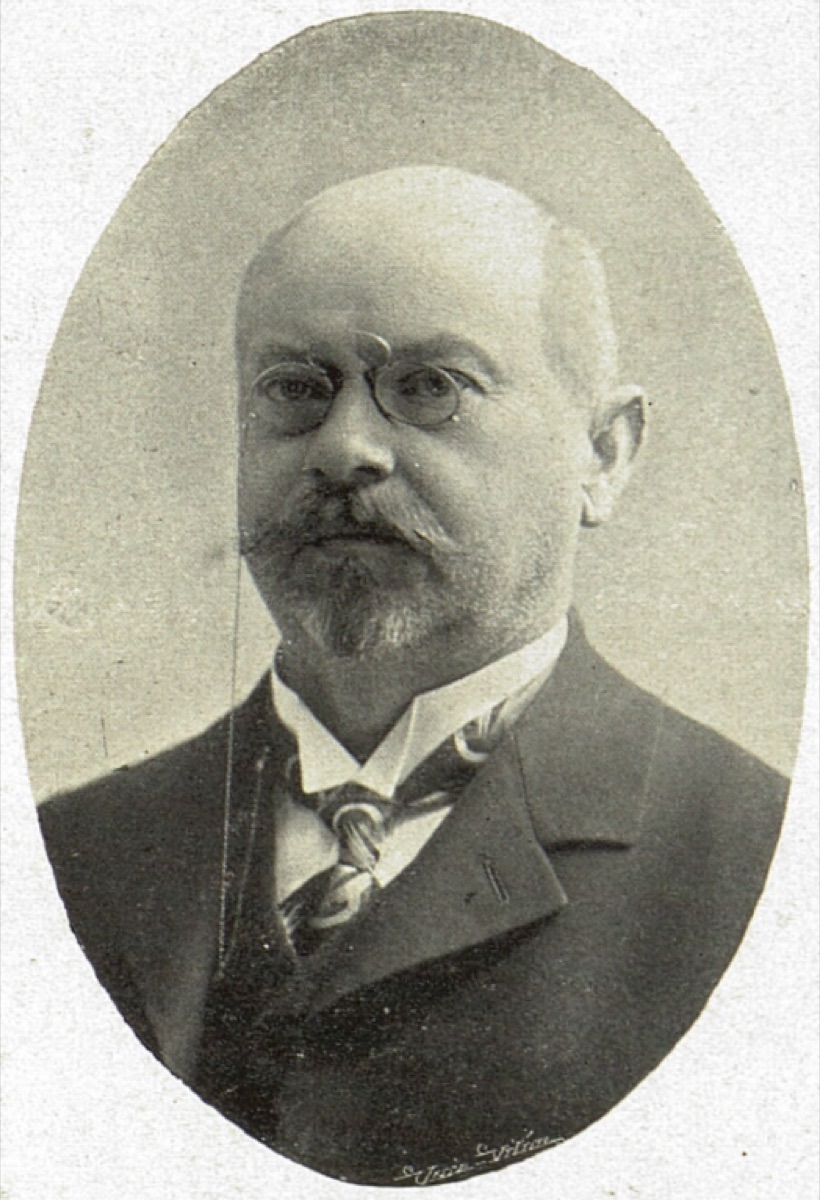
Josef Křivánek
Йозеф Кржіванек · 1857–1910
Essence
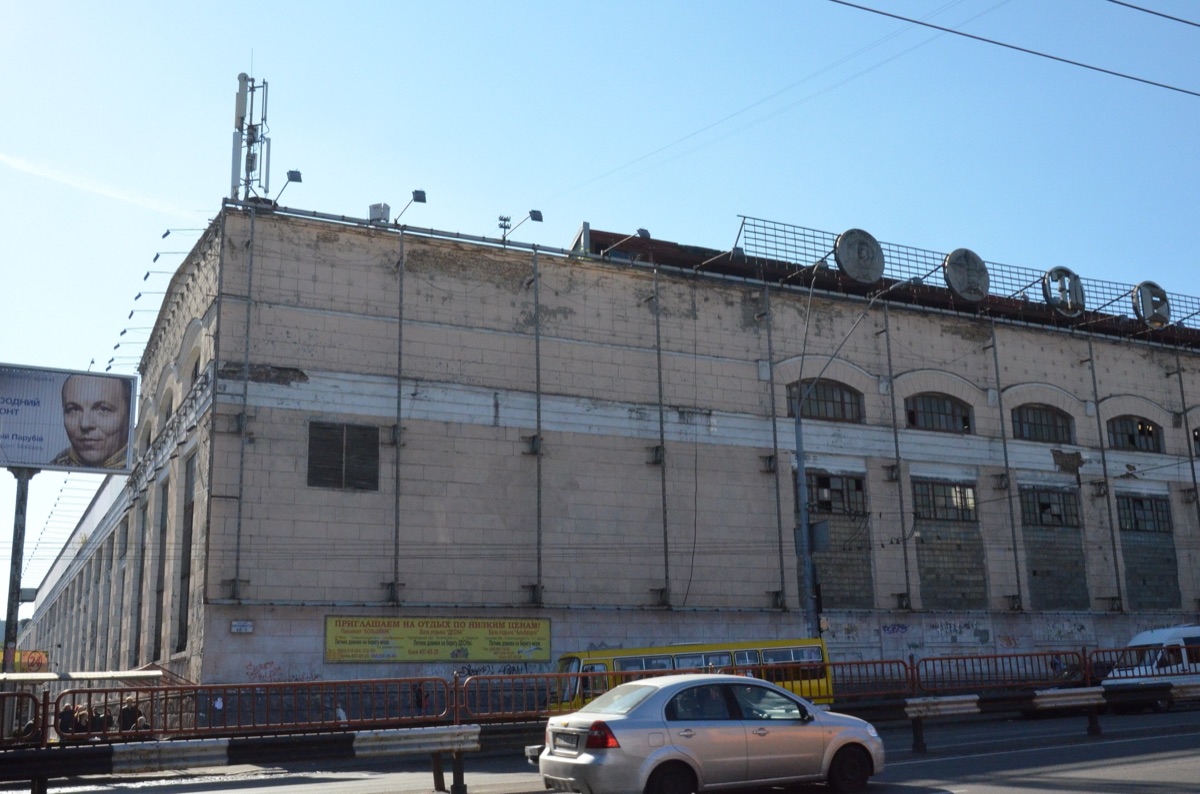
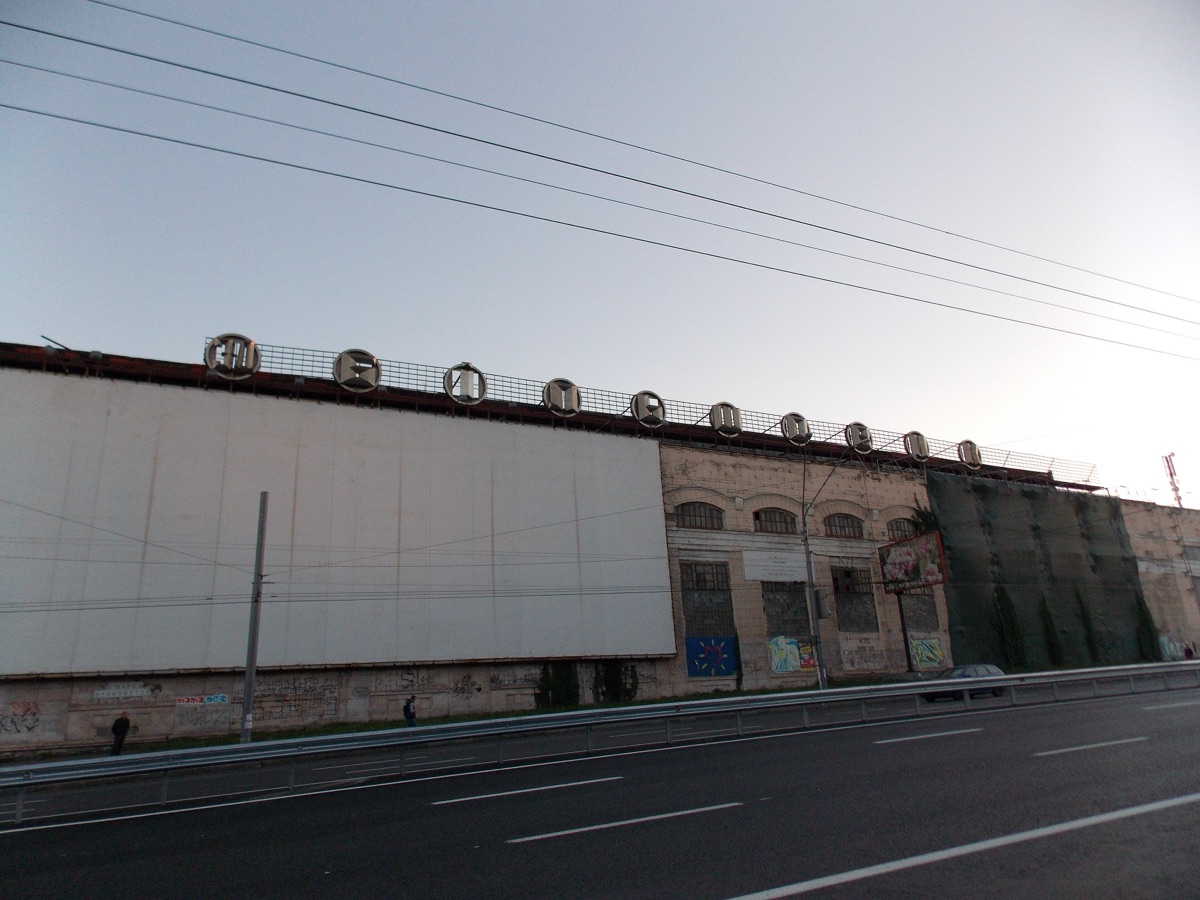
Josef Křivánek (1857–1910), a Czech engineer from Hořovice, became a leading figure in the development of a major machine-building works in Kyiv's Shuliavka district. The original plant had been established in 1882 by Jacob Grether and Philipp Moser; Křivánek joined the enterprise later, in 1888. His career connects Czech engineering training with Ukraine's expanding industrial economy and Kyiv's Czech community.
Timeline
- 1857Born in Hořovice. [K01; K09; K10]
- before 1882Technical education and engineering training in the Czech lands. [K01; K02; K10]
- 1881–1882Arrives in Kyiv in connection with sugar-factory equipment. [K01; K10]
- 26.07.1882Grether and Moser open the initial Shuliavka factory. [K02; K10]
- 1888Moser leaves and Grether enters into partnership with Křivánek. [K02; K10]
- 1888/1890Stages in the formation of the Grether & Křivánek company; sources give different dates. [K03; K04]
- 1890sExpansion of workshops, production and the site. [K04; K02]
- 1896Gold medal for a steam engine. [K02; K03; K04]
- 1902The factory receives complex engineering orders in Kyiv. [K02]
- 1903Technical modernisation with new metallurgical capacity. [K02]
- 1910Křivánek dies in Prague; the factory continues operating. [K01; K03; K10; K09]
- 1919–1922State transformations and new names for the factory. [K02; K03]
Full research text
The central story and historical correction
Josef Křivánek (1857–1910) was an engineer from the Czech town of Hořovice who became a leading figure at a major engineering enterprise in Kyiv's Shuliavka district. His story connects Czech technical education, industrial migration, the development of the Dnipro region's sugar industry and Kyiv's Czech community. The Czech Embassy's diplomatic historical overview provides an extensive account of the entrepreneur's life, including rare details of work and family relationships; Kyiv Polytechnic Institute and Ukrainian encyclopedias help check the industrial chronology. [K01; K02; K03]
A critical correction for the whole database: Jacob Grether and Filip Moser opened the Shuliavka factory in 1882. Křivánek became Grether's partner later, after Moser left in 1888. Some Ukrainian heritage registers use abbreviated wording that identifies Grether and Křivánek as the factory's co-founders in 1882, conflating the initial factory with the later joint-stock company. The website's distinctive contribution lies in an accurate history of the enterprise's transformation rather than an unreliable founding legend. [K02; K03; K04; K05]
Biography and industrial activity
Bohemian origins. The Czech Embassy describes Křivánek's background in a builder's family in Hořovice, technical studies in Prague and practical training with the engineering firm Broumovský & Schulz, including its facilities in Hradec Králové and Adamov. The Embassy also mentions an industrial school in Prague and a real gymnasium in Příbram, whereas Kyiv Polytechnic calls him a graduate of the Prague Polytechnic [K02]; the accounts differ. This offers a meaningful story for Czech readers: an engineer applied skills acquired in the Czech lands to Kyiv's industrial market. However, his diploma, student register entry and precise employment years require confirmation in Czech educational institutions' archives. [K01]
His initial arrival in Ukraine. Around 1881–1882, Křivánek came to Kyiv as a specialist in installing sugar-factory equipment, according to the Embassy's historical account. At that time, the Swiss entrepreneur Grether and engineer Moser established a factory in Shuliavka; attributing the formal foundation of this first legal entity to Křivánek would be incorrect. [K01; K02]
Partnership and a new firm. Moser left the business in 1888, and Grether entered into partnership with Křivánek. Kyiv Polytechnic and the Encyclopedia of Modern Ukraine associate the name of the Grether, Křivánek and Co. joint-stock company with 1888. The Encyclopedia of the History of Ukraine instead dates the company's formation to 1890, based on the factory established in 1882. ZN.ua dates the conversion of the plant into a joint-stock company to 1909 [K10]. Partnership, legal registration and the start of construction of new buildings must be distinguished; these events may have different dates. [K02; K03; K05]
Engineering modernisation. According to the Embassy's biographical account, Křivánek directed the enterprise's expansion, construction of foundry, boiler-making, toolmaking, pattern-making and assembly departments, and the development of equipment manufacturing for sugar factories and steam installations. An independent institutional account from KPI confirms the factory's substantial growth and importance in industrial Kyiv. Personal authorship of each building, installation or railway siding requires separate documentation through inventory plans and signed designs. [K01; K02]
Technical achievements. In 1896 the enterprise received a gold medal at the Nizhny Novgorod fair for a steam engine. KPI and the Encyclopedia of Modern Ukraine give consistent accounts of this fact; a future exhibition should locate the exhibition catalogue, factory advertising and the machine's technical description. Production included boilers, pumps, centrifuges and machines for the sugar industry and other sectors. [K02; K03]
The people who created an industrial community. The Embassy's Czech text describes a substantial group of Czech engineers, foremen and workers, Czech schooling and community life in Shuliavka, and the arrival of Křivánek's relatives, the Nejedlý brothers. These details matter for the network of relationships, but precise numbers for the colony and workforce rely mainly on a commemorative narrative and need comparison with company statistics and city censuses. [K01]
The final years. The Embassy reports a serious illness in 1910, his transfer to Prague and burial at Vinohrady Cemetery. The Encyclopedia of Modern Ukraine independently confirms the year of death. According to a register of Czech graves in Ukraine, he lies at Vinohrady Cemetery, section 30 [K09]; ZN.ua gives the death date as 6 October 1910, Prague [K10]. His final residential address and the death register entry have not been verified. [K01; K03]
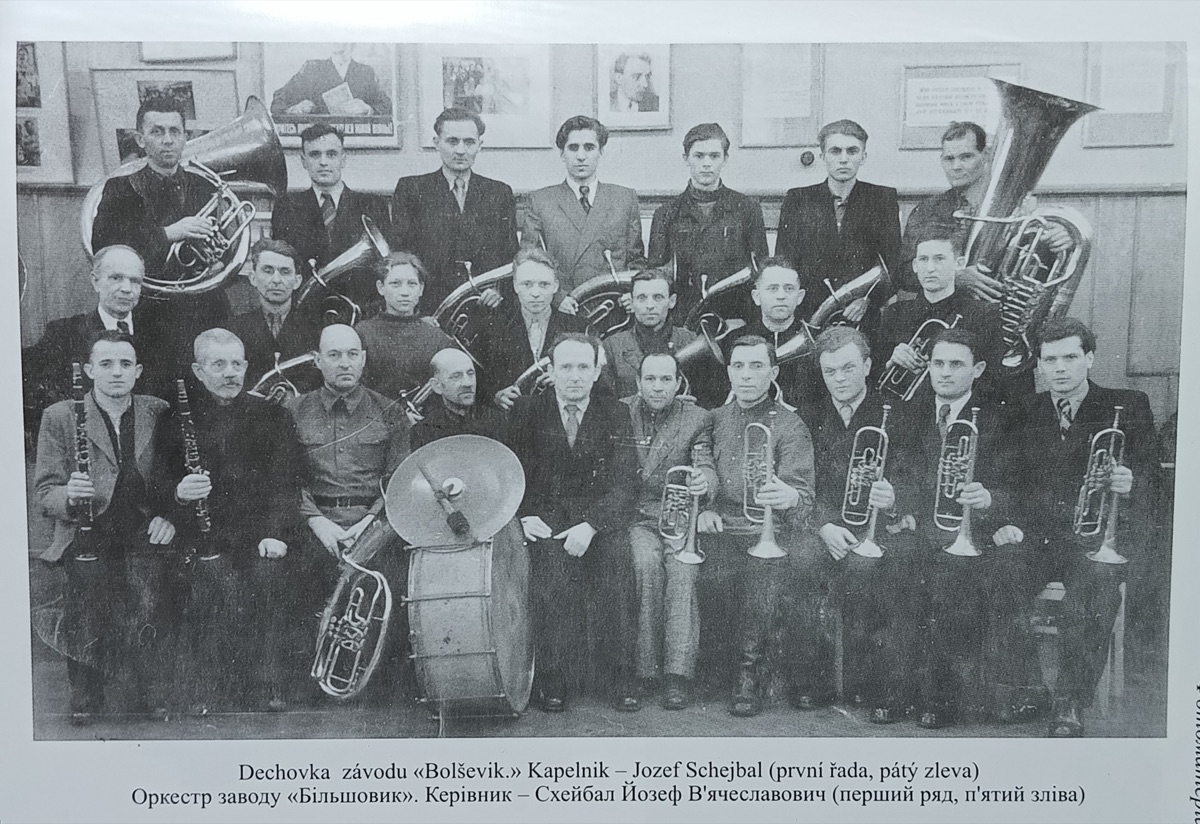
The enterprise's legacy. The factory continued after his death; in the twentieth century it became a state engineering plant and acquired the name Bilshovyk. The present state of the business and property cannot automatically be inferred from historical descriptions or promotional articles: the survival of buildings and their legal owners require a separate contemporary check. [K03; K05]
A network of people and organisations
| Object | Relationship | Certainty and next evidence needed |
|---|---|---|
| Jacob Grether | Business partner from 1888 | K02; K03; a separate ID after deduplication |
| Filip Moser | Earlier factory co-founder, 1882–1888 | K02; not automatically Křivánek's partner |
| Grether and Křivánek engineering plant | Management or shareholding relationship, 1888–1910 | K01–K03; a distinct organisation, not a duplicate person |
| Tomáš Nejedlý | Relative and participant in Kyiv's Czech industrial community | K01; clarify the genealogy through vital records |
| Václav Nejedlý | Member of the family and business network | K01; do not attribute ownership of Grether's factory to him |
| Broumovský & Schulz | Practical training before Kyiv | K01; personnel archive required |
| Hořovice | Town of origin | K01; the specific house is unknown |
| Shuliavka, Kyiv | Location of production and activity | K02; archival plans and topography |
| Vinohrady Cemetery, Prague | Reported burial place | K01; K09; section 30 |
The archive and possible exhibits
Collection 189 of the Kyiv state archive. The official Ukrainian archives guide describes the records of the Kyiv mechanical, iron-founding and engineering plant Grether and Křivánek: approximately 1,147 files covering 1886–1922. This is a valuable starting point for moving from a general biography to verified engineering documents: statutes, board minutes, advertisements, estimates, plans and contracts. The current custodial archive and availability of the files must be established separately. [K06]
Advertising brochures and products. The original 1899 advertisement mentioned by KPI and the catalogue of exhibits at the Nizhny Novgorod fair in 1896 need to be found. [K02]
Factory plans. Locate archival plans of the buildings from 1882, 1890 and 1903, marking separate construction phases. A “then and now” comparison has substantial potential for the website. [K02; K06]
A commemorative account. The Czech Embassy's text contains evaluative statements about the engineer and industrial colony. It can be used as evidence of the Czech diaspora's memory, but not as an independent statistical census or engineering report. [K01]
A programme for further work
- Obtain the inventory of collection 189, identify its present archive, files from 1882–1910 and photographs of factory drawings.
- Check the 1888/1890 statutes, joint-stock company minutes and changes of ownership.
- Find documentation of Křivánek's professional education and practical training in Prague and Bohemian institutions.
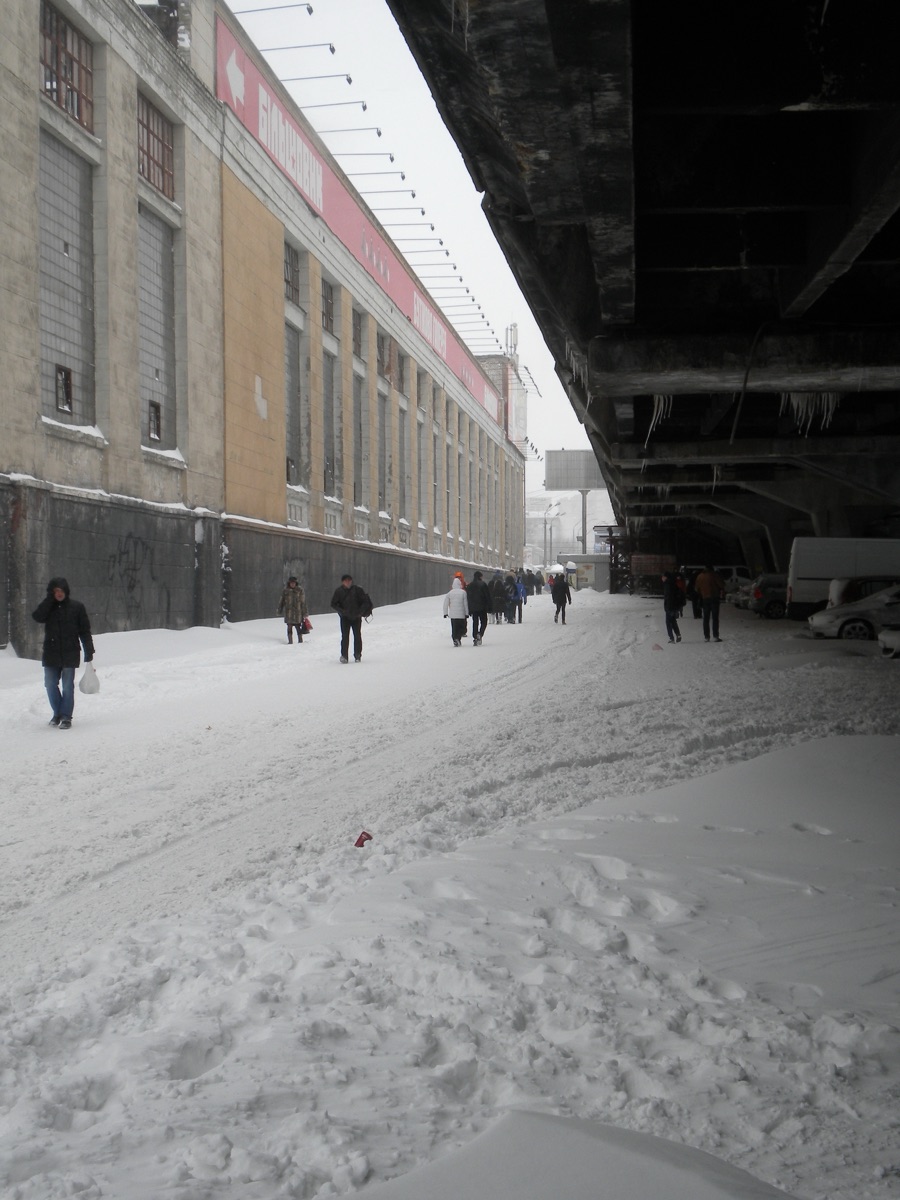
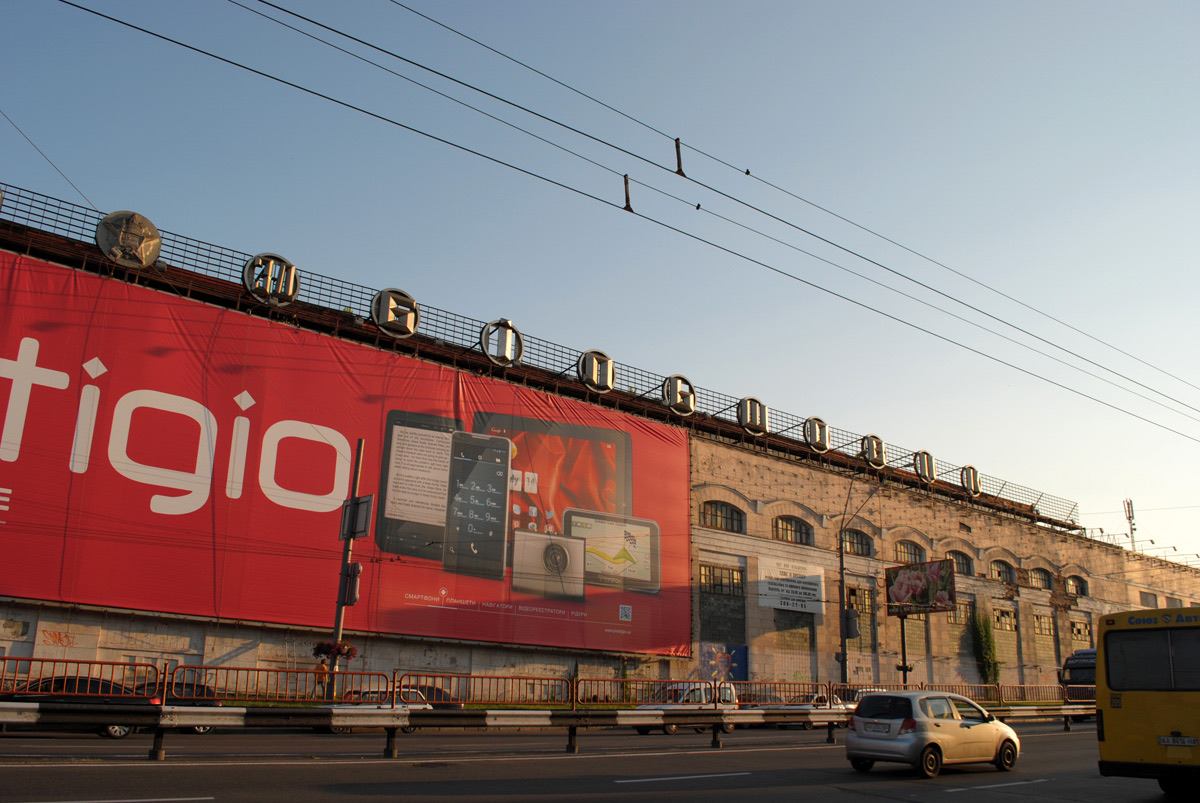
- Establish Shuliavka's actual historical topography, current addresses and surviving buildings for a photographic expedition.
- Verify Křivánek's year and day of death and burial in Prague through vital registers and cemetery administration.
- Research the Nejedlý family under separate IDs, without conflating the Nejedlý and Ungermann plant with Grether and Křivánek's factory.
Further reading about this person
A catalogue confirms the bibliographic record. It does not mean that every dossier claim has been checked against the book’s full text.
-
Chapter about this person
Чехи на українських теренах (короткий біографічний довідник) / Češi na území Ukrajiny (krátká biografická příručka)
В’ячеслав Шляховий / Vjačeslav Sľachový
· 2024
Chapter / pages: Křivánek Josef, 234–235
Bibliographic details incomplete · Record checked 2026-11-02
Catalogue or publisher record ↗Selected pages read
Chapter “Křivánek Josef”, pp. 234–235; title and imprint pages 1–2. PDF numbering matches. · 2026-11-02
The selected Czech chapter was read, rather than all 583 pages. It credits Aleksandr and Dina Muratov, “Русское слово”, 2011, no. 1; a separate independent confirmation of its biographical claims has therefore not been established. Publisher and ISBN have not been established.
Inspected text ↗
Sources
- K01 Czech Embassy in Kyiv. “Čeští průmysloví průkopníci: Josef Křivánek a bratři Nejedlých”. mzv.gov.cz
- K02 National Technical University of Ukraine, Igor Sikorsky Kyiv Polytechnic Institute. Article on Kyiv’s oldest engineering plant. kpi.ua
- K03 Encyclopedia of Modern Ukraine. “Bilshovyk” entry. esu.com.ua
- K04 Register of Monuments of the History and Culture of Ukraine, Kyiv. Entry on the Grether, Křivánek and Co. factory. pamyatky.kiev.ua
- K05 O. M. Mashkin. Entry on Grether and Křivánek, Encyclopedia of the History of Ukraine, vol. 2 (2004). holodomor-era.history.org.ua
- K06 Ukraine’s central state archives guide. Guide to collections, vol. 1, collection No. 189 (1886–1922). old.archives.gov.ua
- K07 Porohy, No. 4, 2017. An article on Czech entrepreneurs in Kyiv. ukrajinci.cz
- K08 Ye. Khomenko. Study of stages of specialisation at the Grether and Křivánek engineering plant, 1882–1908, in a 2026 proceedings volume. histeproc.kpi.ua
- K09 A. Drbal. Appendix “Czechoslovak graves, monuments and memorial plaques in Ukraine” (Češi na Volyni): grave of Josef Křivánek (1857–1910), native of Hořovice, at Vinohrady Cemetery in Prague, section 30. scvp.eu
- K10 ZN.ua. “Czech industrial enterprises in Kyiv 100 years ago”: biography of Křivánek (born in Hořovice 1857, education, 1888, died in Prague on 6 Oct 1910) and of Grether. zn.ua
Photos and videos
Verification
Two sources (automatic score)
Automatic evidence score: key facts rest on at least two independent sources. No person has yet read the whole dossier.
- Automatic evidence score: 83 points (threshold 40).
- Independent fact check of every statement against primary sources (3 November 2026).
Evidence coverage
Timeline claims assessed: 12 / 12. Claims with verified contradictions: 1.
The score measures coverage of timeline claims by verified sources, not the probability of historical truth. One independent source gives a claim 0.5 points; two or more give 1 point. A disputed claim receives 0. Unassessed claims remain in the denominator.
evidence-v1 · 2026-11-03
How the score is calculated
Each claim shows its contribution to the score and verified current sources. Multiple references may share an origin; context adds no points.
-
1857
Born in Hořovice.
Assessed Contribution: 1.0 / 1Independent source origins: 3
Report this claim -
before 1882
Technical education and engineering training in the Czech lands.
Assessed Contribution: 1.0 / 1Independent source origins: 3
Report this claim -
1881–1882
Arrives in Kyiv in connection with sugar-factory equipment.
Assessed Contribution: 1.0 / 1Independent source origins: 2
Report this claim -
26.07.1882
Grether and Moser open the initial Shuliavka factory.
Assessed Contribution: 1.0 / 1Independent source origins: 2
Report this claim -
1888
Moser leaves and Grether enters into partnership with Křivánek.
Assessed Contribution: 1.0 / 1Independent source origins: 2
Report this claim -
1888/1890
Stages in the formation of the Grether & Křivánek company; sources give different dates.
Sources contradict one another Contribution: 0.0 / 1Independent source origins: 2
- K03 — supports the claim
- K04 — supports the claim
- K05 — contradicts the claim
- K10 — contradicts the claim
-
1890s
Expansion of workshops, production and the site.
Assessed Contribution: 1.0 / 1Independent source origins: 2
Report this claim -
1896
Gold medal for a steam engine.
Assessed Contribution: 1.0 / 1Independent source origins: 3
Report this claim -
1902
The factory receives complex engineering orders in Kyiv.
Assessed Contribution: 0.5 / 1Independent source origins: 1
- K02 — supports the claim
-
1903
Technical modernisation with new metallurgical capacity.
Assessed Contribution: 0.5 / 1Independent source origins: 1
- K02 — supports the claim
-
1910
Křivánek dies in Prague; the factory continues operating.
Assessed Contribution: 1.0 / 1Independent source origins: 4
Report this claim -
1919–1922
State transformations and new names for the factory.
Assessed Contribution: 1.0 / 1Independent source origins: 2
Report this claim
2026-11-03
How we verify
- DraftResearch draft with sources; independent check still pending.
- Checked automaticallyQuotes mechanically matched to sources; an independent model found no contradictions.
- Two sources (automatic score)Automatic evidence score: key facts rest on at least two independent sources. No person has yet read the whole dossier.
- Confirmed by an editorAn editor confirmed the dossier; the reason is shown on the page. This is not an independent scholarly review.
- Disputed pointsSources disagree; disputed points are marked in the text.
Report an error or add information
Your message goes to the editorial queue. AI pre-sorts it, a human decides.